
Image to LaTeX Converter
Upload screenshots, photos, textbook scans, or equation images and turn them into clean, editable LaTeX code you can copy into Overleaf or any TeX editor.
About This Tool
What Is Image to LaTeX?
Image to LaTeX is the process of converting math expressions from images, screenshots, photos, and scans into structured LaTeX code. Instead of retyping complex equations manually, you can upload an image and turn the equation into editable LaTeX.
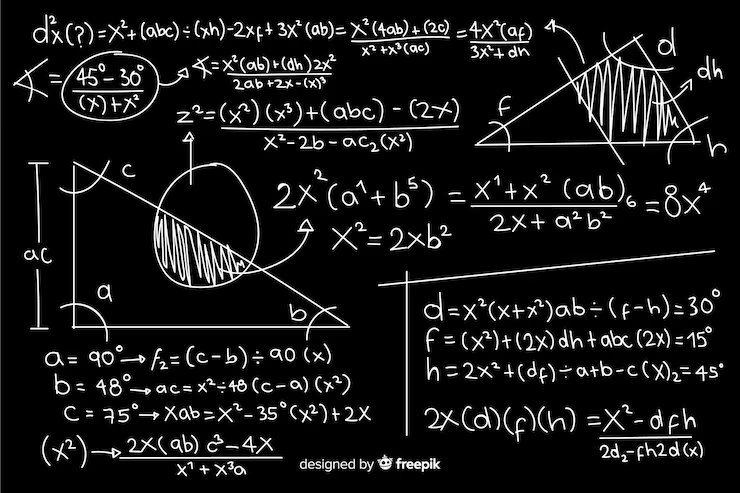
Image Recognition
Upload screenshots, photos, scanned pages, textbook formulas, printed equations, or other images that contain math.
Structured Equation Output
Preserves mathematical structure such as fractions, exponents, subscripts, roots, integrals, matrices, and aligned equations.
Editable LaTeX Code
Generate LaTeX that you can copy, review, edit, and reuse in Overleaf, TeX editors, Markdown documents, and study materials.
Features
Why Use Our Image to LaTeX Converter
Convert Screenshots to LaTeX
Capture equations from PDFs, websites, slides, online courses, and digital textbooks, then convert them into editable LaTeX code.
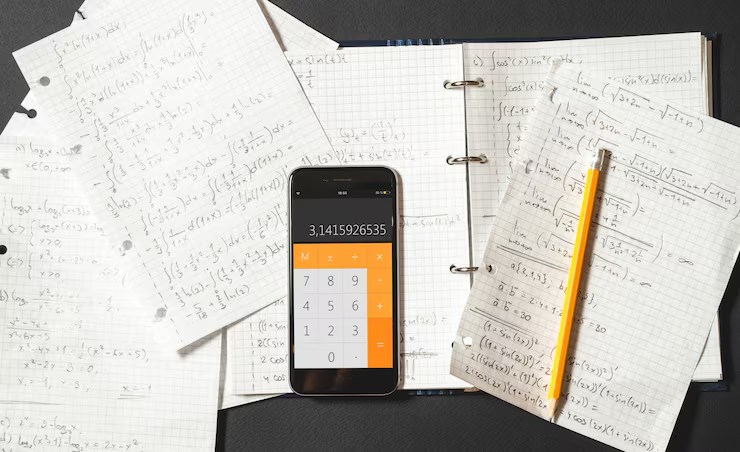
Recognizes Printed and Digital Equations
Convert clear printed formulas, textbook equations, worksheets, and images into structured LaTeX syntax.
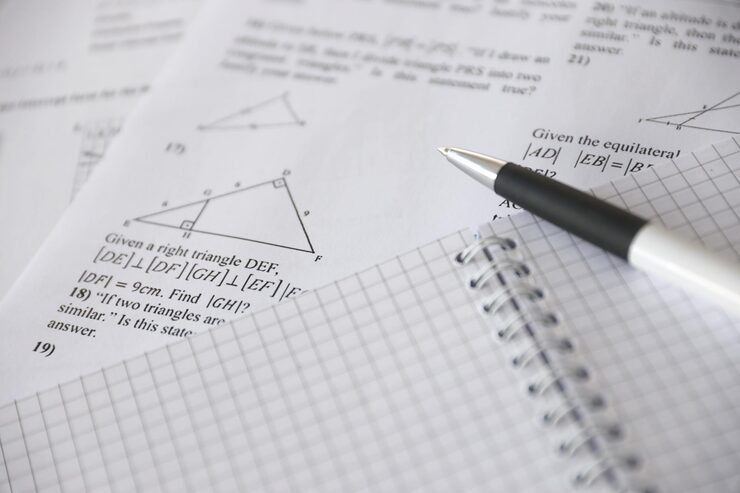
Preserves Equation Layout
Mathematical meaning depends on position. The converter interprets superscripts, subscripts, stacked fractions, matrices, roots, and aligned equations as structured LaTeX.
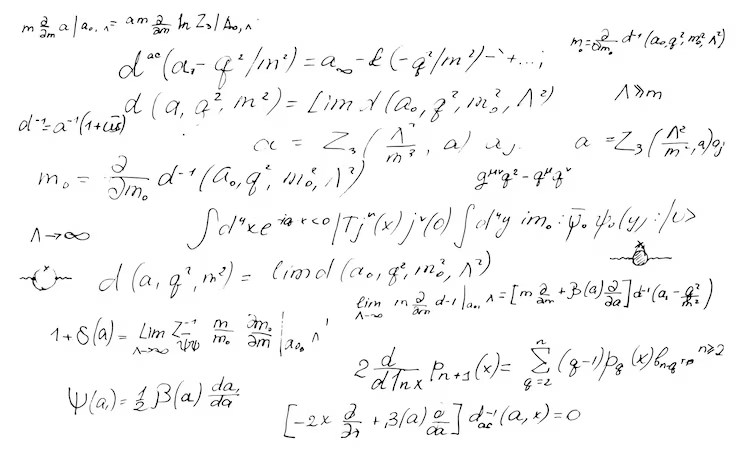
Handles Common Math Symbols
Recognizes fractions, roots, integrals, summations, limits, Greek letters, matrices, variables, operators, and multi-line expressions.
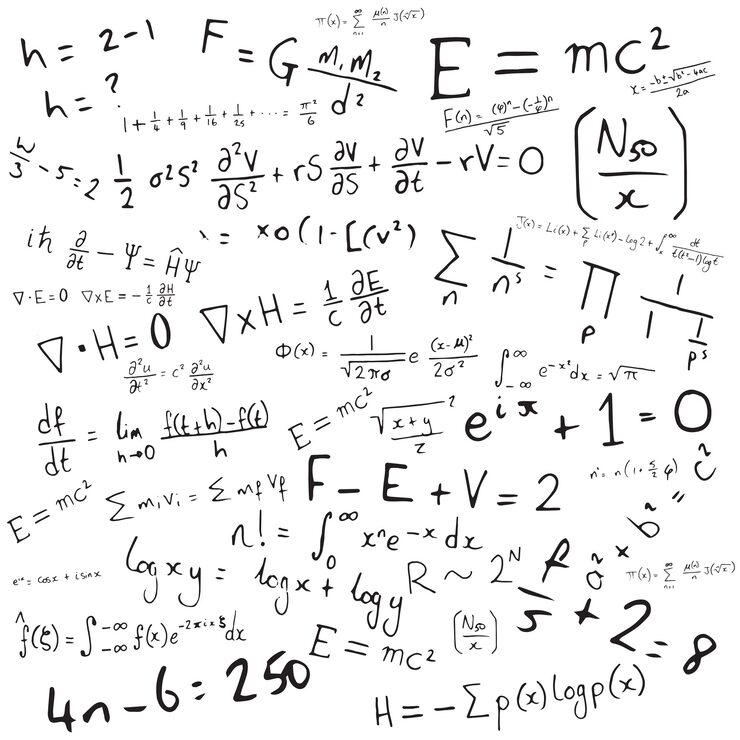
How it works
How to Convert Image to LaTeX
Upload your file, choose Math Converter, and export editable LaTeX code in three simple steps.
Try it for free01
Upload your file
Add an image, PDF, scan, screenshot, or photo that contains math equations, formulas, or technical notation.
02
Recognize symbols and structure
The converter detects mathematical symbols, fractions, exponents, roots, matrices, and equation layout from the image.
03
Copy or export LaTeX
Review the generated LaTeX code, copy it into Overleaf or your TeX editor, or download it as a .tex or .txt file for later editing.
Use Cases
Use Cases for Image to LaTeX
Convert images into editable LaTeX for study, teaching, research, and documentation.
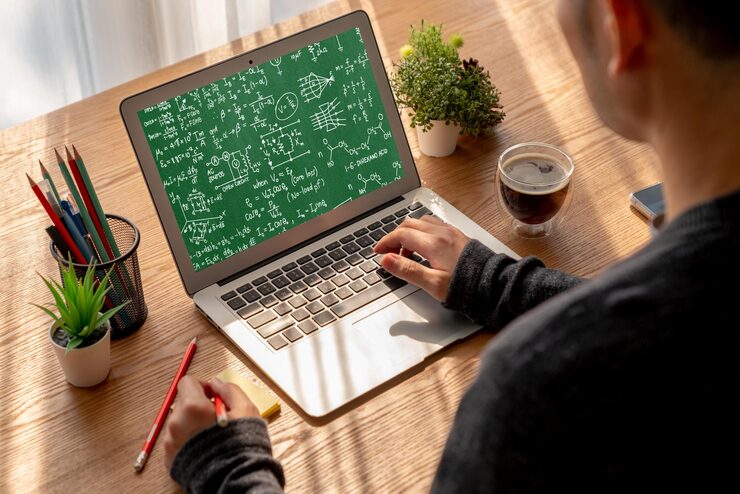
Screenshot
Convert screenshots from PDFs, websites, slides, online courses, or digital textbooks into editable LaTeX code.

Textbook
Turn photos or scans of printed formulas, textbook examples, worksheets, and reference materials into LaTeX.
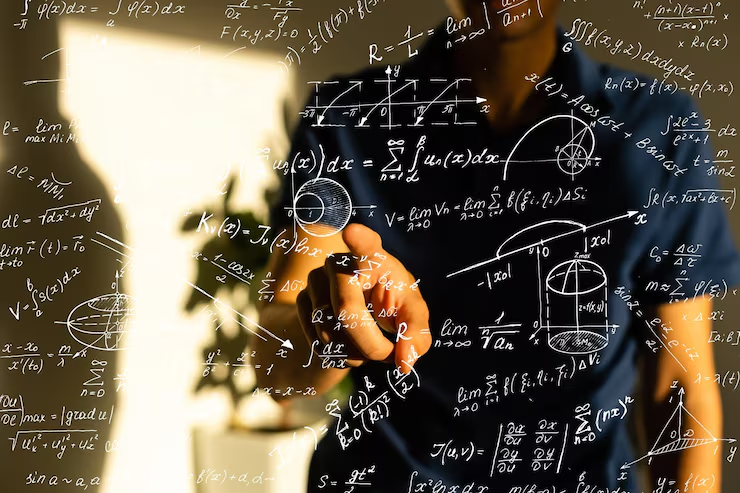
Research Materials
Extract equations from papers, diagrams, and academic materials for homework, reports, or documentation.
Explore More
Related OCR Tools
Use related tools to convert handwritten math, PDFs, images, and scanned documents into editable formats.
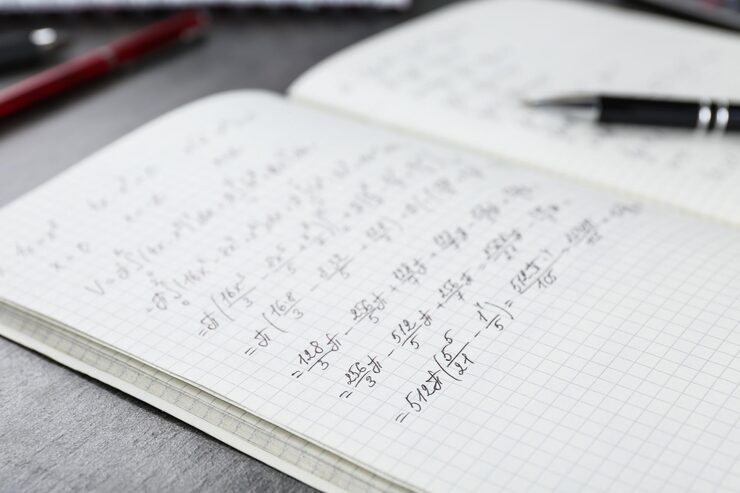

Blog
From the Blog
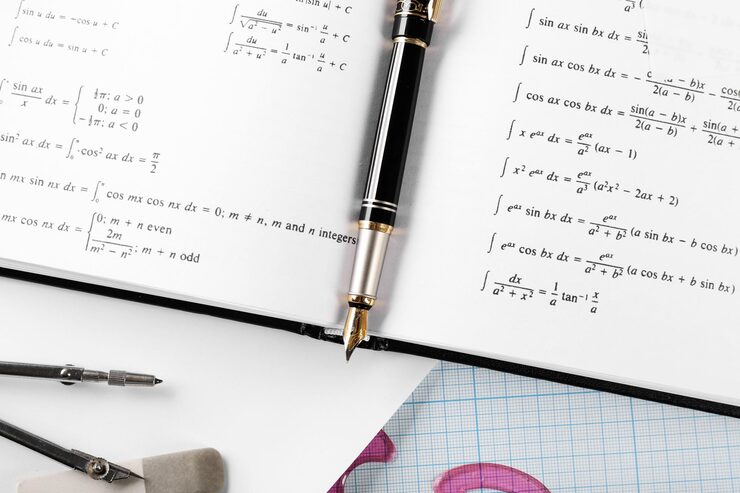
How to Convert Image to LaTeX
Learn how to convert images, screenshots, photos, and scanned equations into editable LaTeX code and export results as .tex, .md, or .txt.
How to Convert Handwritten Math Notes to Editable Text
Convert handwritten math notes into editable text. Step-by-step guide plus tips to improve OCR accuracy for equations.

Translate Cursive to Print
Can't read cursive handwriting? Convert cursive letters, old documents, and connected handwriting into clean, readable typed text in seconds.
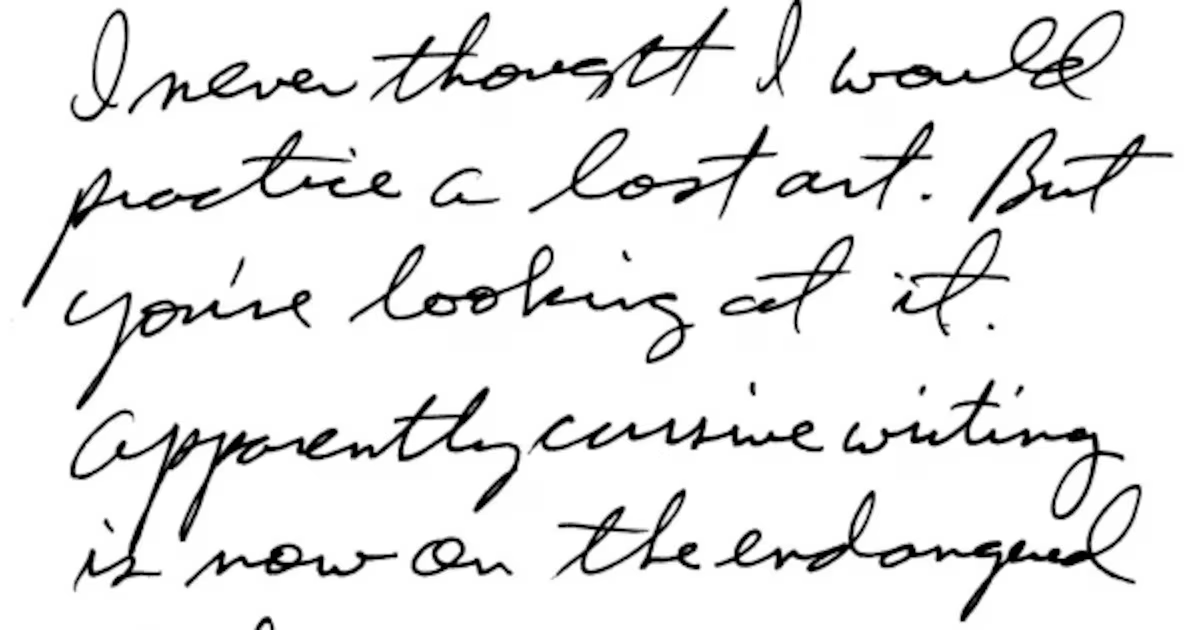
How to Extract Handwritten Text from an Image
Upload a photo or scan and extract handwritten text in seconds. Step-by-step guide plus tips to improve OCR accuracy for messy notes and cursive.
Frequently Asked Questions
Upload a clear image that contains a math equation or formula. The converter analyzes the symbols and equation structure, then generates editable LaTeX code you can copy or export.
Yes. You can upload screenshots from PDFs, websites, slides, online courses, digital textbooks, or other sources and convert the equation image into LaTeX.
Yes. The image to LaTeX converter works with printed formulas, textbook photos, scanned worksheets, and other clear images of math expressions.
Yes. It can convert handwritten images too. For full handwritten notes, homework pages, or notebook photos, use the dedicated Handwriting to LaTeX converter.
You can upload common image formats such as JPG, PNG, WebP, and HEIC. Clear, high-resolution images with good contrast usually produce better LaTeX output.
The converter supports common math notation such as fractions, roots, exponents, subscripts, integrals, summations, limits, matrices, Greek letters, equations, and multi-line expressions.
Yes. The generated LaTeX can be copied into Overleaf, TeXstudio, VS Code, Markdown editors with math support, or any LaTeX workflow.
Image to LaTeX
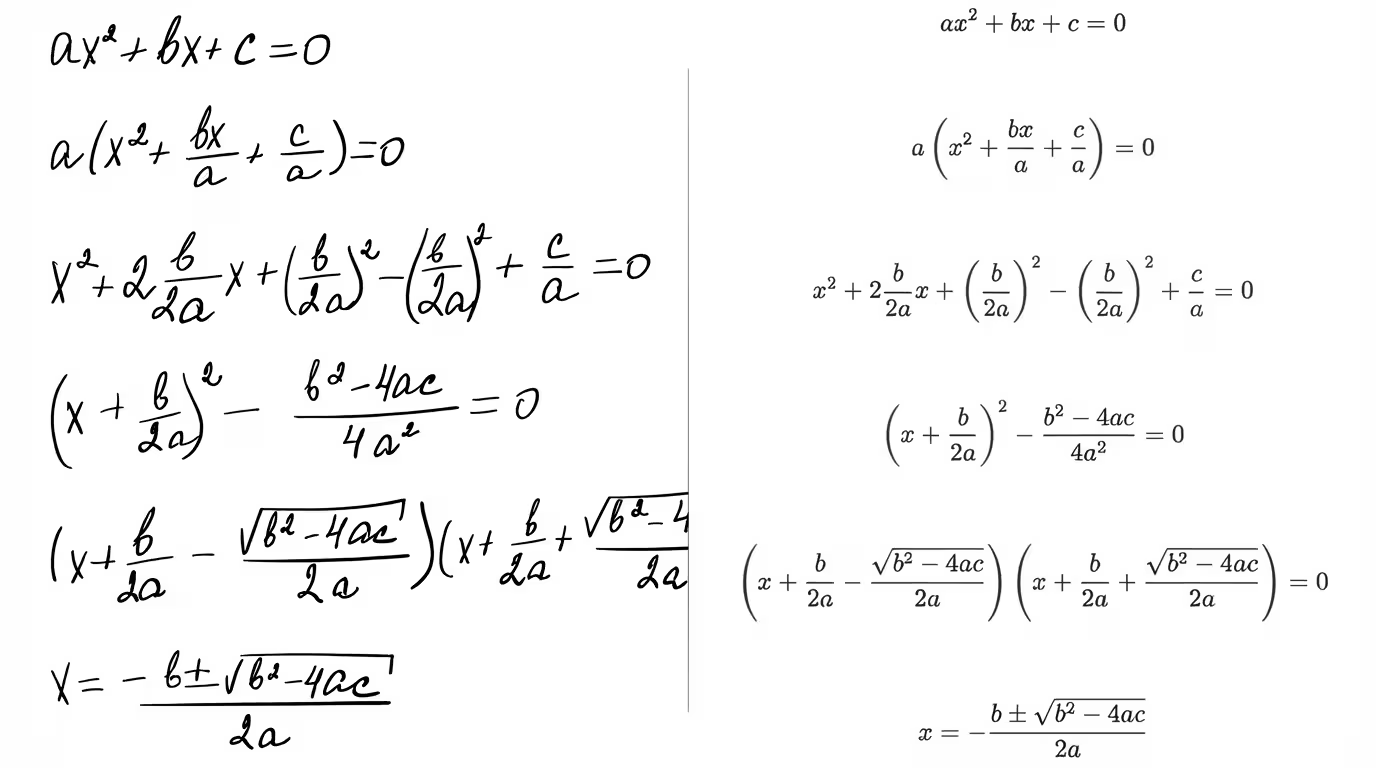
Turn images into editable LaTeX
Upload a screenshot, photo, scan, or equation image and get clean LaTeX code you can copy into Overleaf.