
Transcribe Census Records with AI
Upload a census page, household schedule, enumerator note, or population list and turn handwritten names, ages, addresses, occupations, and family relationships into editable text.
Why census records are difficult
Census Pages Tuck Family Clues into Small Spaces
These rich genealogy sources mix messy handwriting, grid lines and shorthand. Our AI speeds up the first pass so you can focus on verifying details.
Crowded Rows and Columns
Names, ages and relationships squeezed into narrow, unevenly spaced boxes
Enumerator Shorthand
Census takers used quick abbreviations for jobs, ties and life details
Tricky Name Variations
Surnames repeat, spellings shift - easy to miss a family link
Built for genealogy workflows
Turn Cramped Census Pages into Actionable Family Leads
Untangle Every Member of a Hoursehold
Transcribe messy handwritten entries to trace relatives, track ages and map residences across decades.
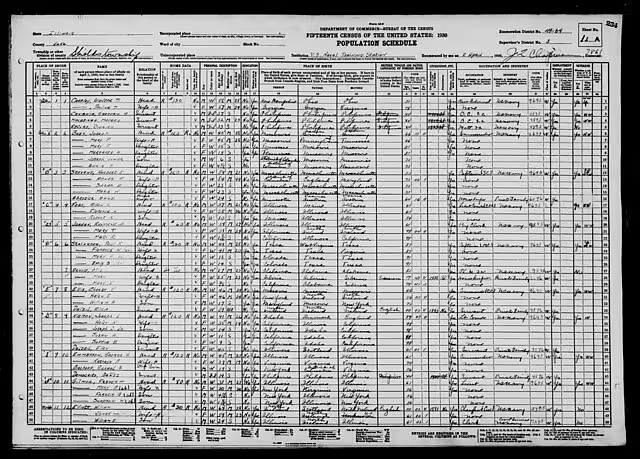
Pin Down Ancestral Jobs & Addresses
Pull handwritten trades, residences and brithplaces from dense schedules to spot repeated family patterns across records.
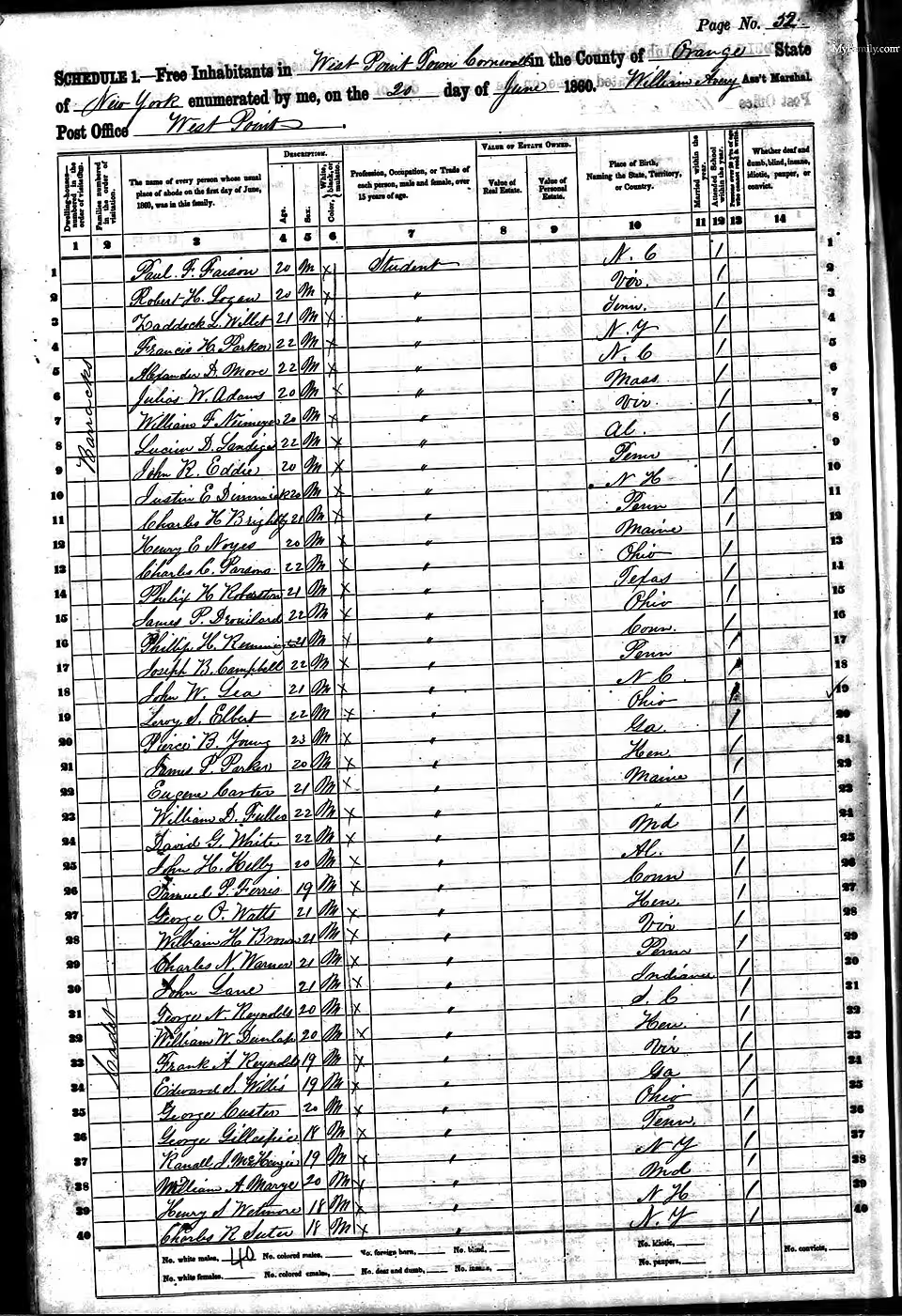
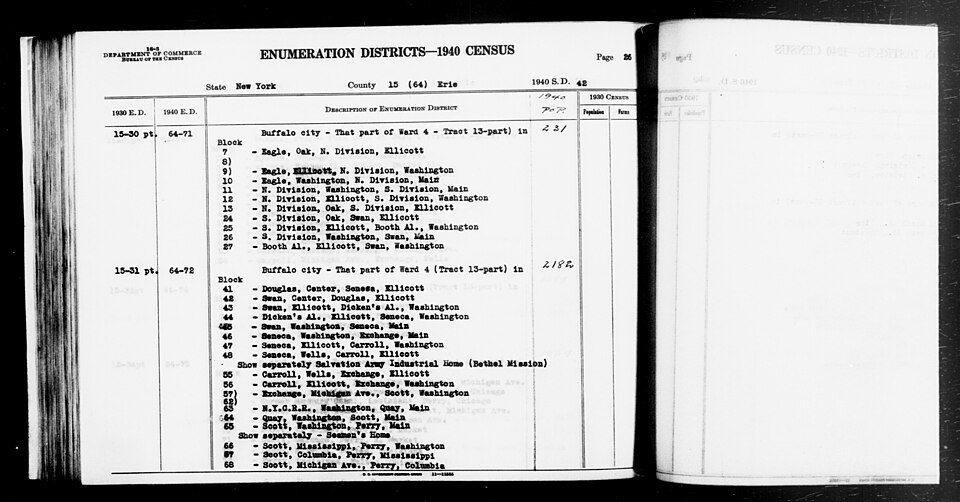
Anchor Census Details to Your Source Citations
Copy transcribed text directly into your research log or family tree tool, after cross-checking any tricky entries against the original scan.
How it works
Transcribe Census Records in 3 Simple Steps
Upload your record, let AI decode the page and then grab the text for your family research
Try it now01
Upload the record
Add a census schedule, household page or handwritten note as a photo, scan or PDF.
02
Let AI read the handwriting
Our AI deciphers cramped old cursive and turns it into editable, searchable text.
03
Review, copy, and save
Cross-check details against the original, then copy or download your family tree log.
Follow Census Clues and Uncover More Family Branches
Names, dates and jobs from census records lead straight to birth, military and immigration records - use those clues to build out your full family story.
See all genealogy record typesBlog
From the Blog

Translate Cursive to Print
Can't read cursive handwriting? Convert cursive letters, old documents, and connected handwriting into clean, readable typed text in seconds.
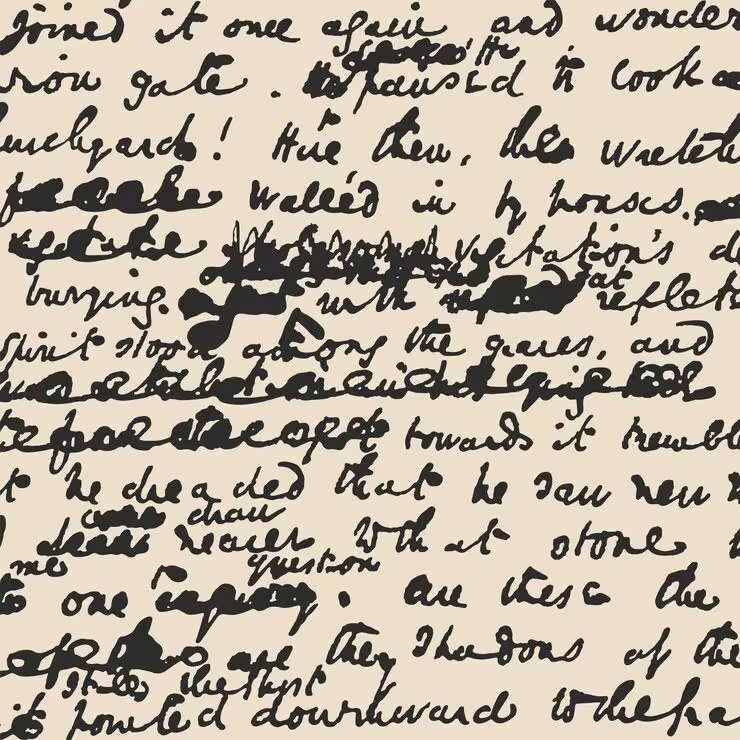
How to Read Bad Handwriting
Bad handwriting can be a frustrating barrier to information. Learn how to convert bad handwriting to editable text with AI.
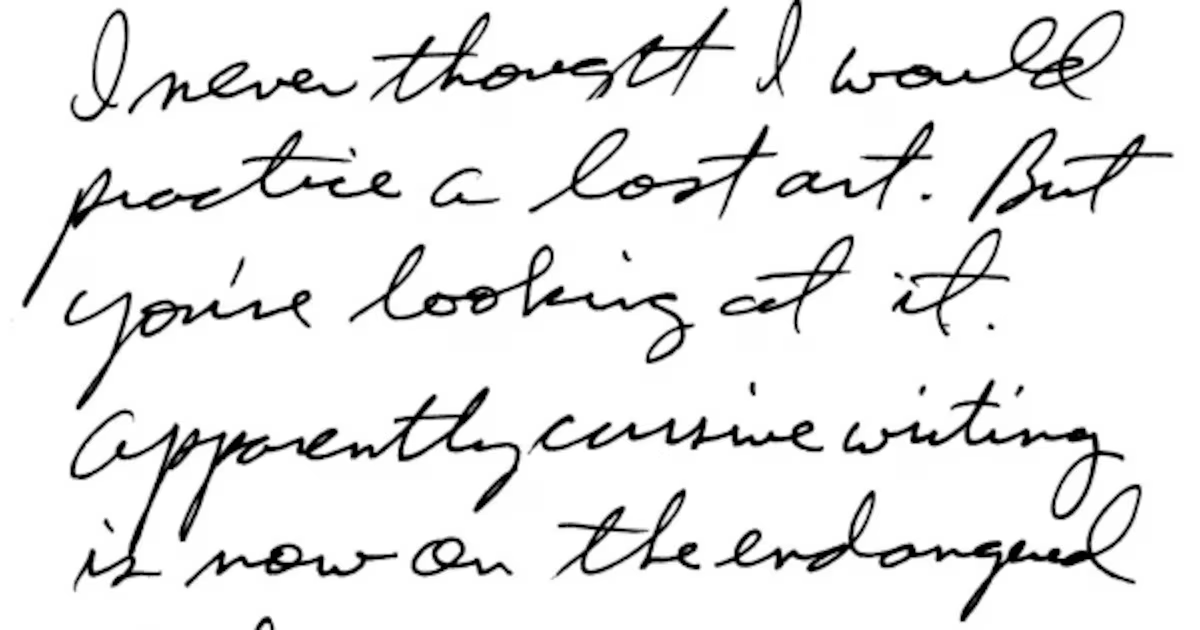
How to Extract Handwritten Text from an Image
Upload a photo or scan and extract handwritten text in seconds. Step-by-step guide plus tips to improve OCR accuracy for messy notes and cursive.
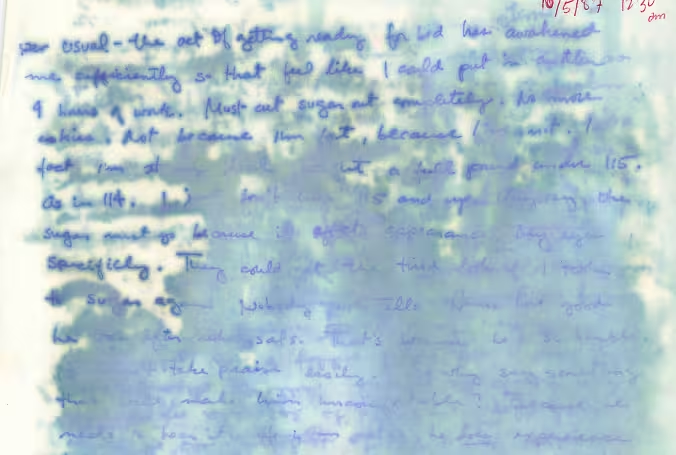
Handwriting OCR on Water-Damaged Documents: A Comparative Study
We compare handwriting OCR results on a real water-damaged handwritten journal excerpt to show how different systems handle faint, blurred, or partially missing text.
Frequently asked questions
Absolutely—snap a photo or upload existing scans/PDFs of household schedules, no special equipment needed.
Yes, our AI preserves the row-and-column structure so family groups stay organized as you transcribe.
It's trained to pull these key details, even from cramped, faded handwritten census entries.
Our model is built to handle the varied cursive and faded ink common in vintage census records.
You can batch process full schedules or groups of pages to save hours of manual work.
Our transcription accuracy reaches 95% for clear, legible records, so you can trust the details for your family tree.
You can copy the text directly or download it as TXT, CSV or Excel to use in your favorite family history tools.
Census Records
Convert census records into editable text
Upload a page, scan or photo and decode messy old cursive for your research