
Transcribe Immigration Records with AI
Upload ship manifests, passenger lists, naturalization papers, border crossing records or arrival documents, and turn handwritten names, places, dates and family clues into text.
Why immigration records are difficult
Family Clues Often Lie Hidden in Busy Migration Records
Immigration records often mix handwritten names, foreign place names, narrow columns, abbreviations and later notes. Al handwriting OCR speeds up your first transcription pass, letting you crosscheck details against the original image.
Names and Places May Appear Differently
The same person can show up with different spellings, initials, nicknames or translated place names across passenger lists and other records.
Tight Spaces in Manifests
Ship manifests and arrival lists often cram age, occupation, nationality, last residence, contact names and destination details into very tight rows.
Added Notes Hold Key Details
Naturalization notes, certificate numbers, corrections and marginal annotations can sit beside or over the original entries.
Built for Family History Journeys
Crafted for Genealogy Research Workflows
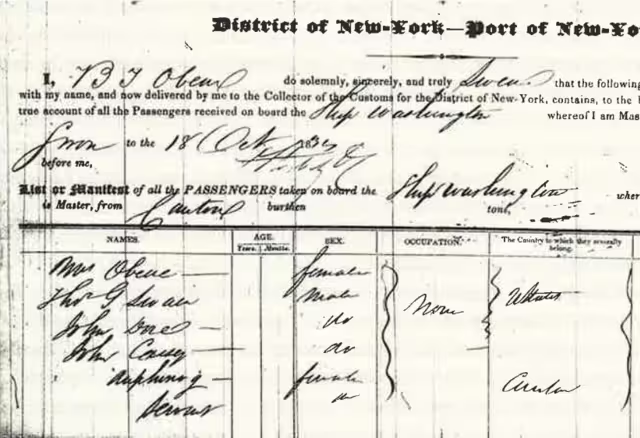
Trace Passenger Names and Origins
Turn handwritten ship manifests and passenger lists into editable text, so you can easily review names, ages, hometowns, relatives and destinations.
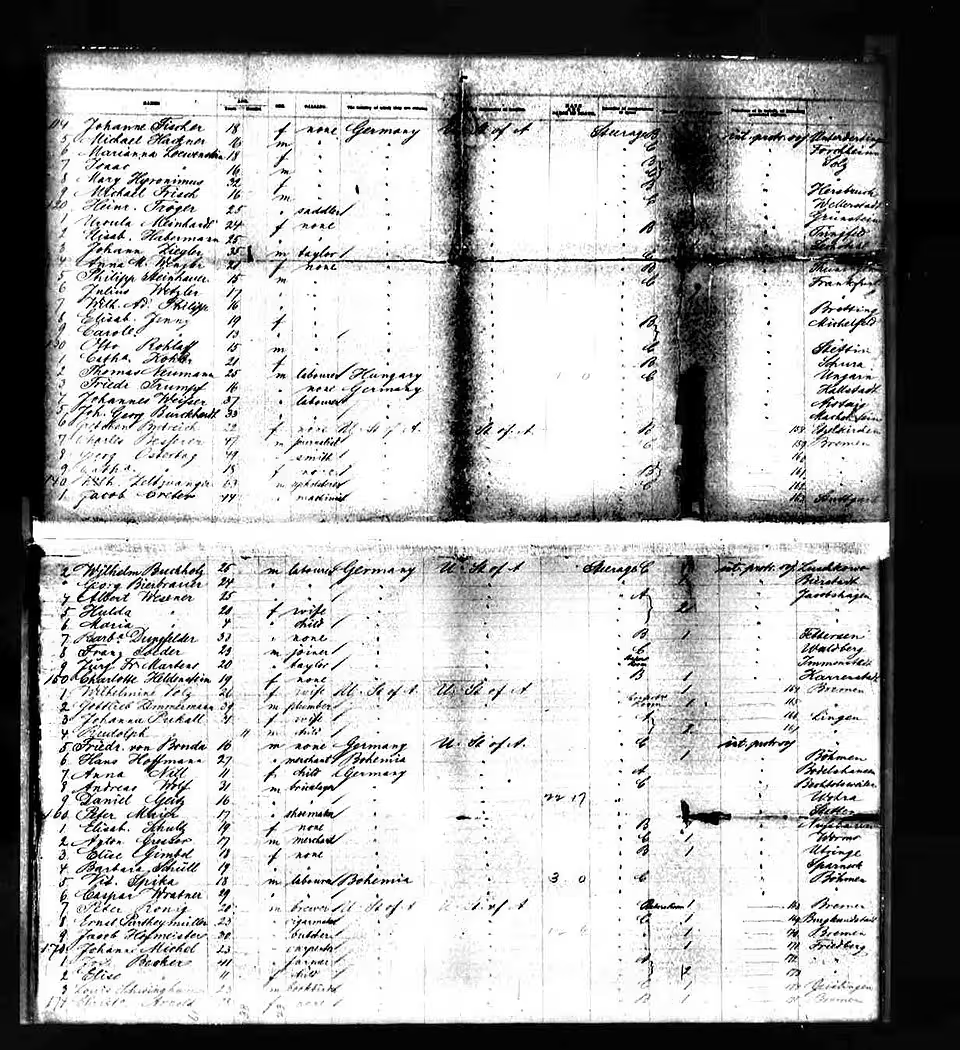
Record dates, residences, and witnesses
Convert handwritten naturalization declarations, petitions, certificates and notes into usable text for your family history files.
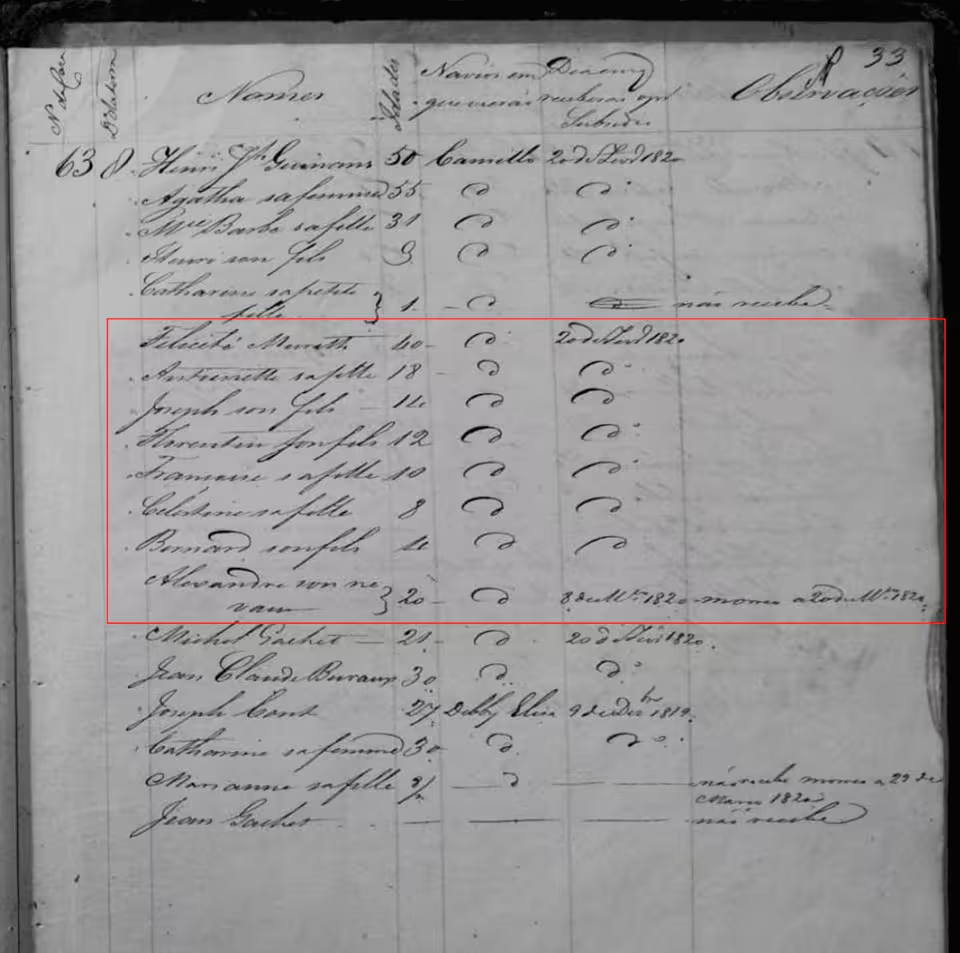
Map Out Ties Across Generations
Turn handwritten family group sheets, reunion notes and lineage logs into organized text to track how your relatives connect across borders and decades.
How it works
Turn Immigration Records into Text in 3 Simple Steps
Upload a photo, scan or PDF of your record, review the Al transcription alongside the original image, then copy or save the text for your research.
Try it now01
Upload the record
Add any ship manifest, passenger list, naturalization page or border crossing document as a photo, scan or PDF file.
02
Let AI read the handwriting
Our AI analyzes the page and turns handwritten names, places, dates and notes into editable, easy-to-review text.
03
Review, copy, and save
Cross-check the transcribed details against the original document, then save or copy the text to your family history files.
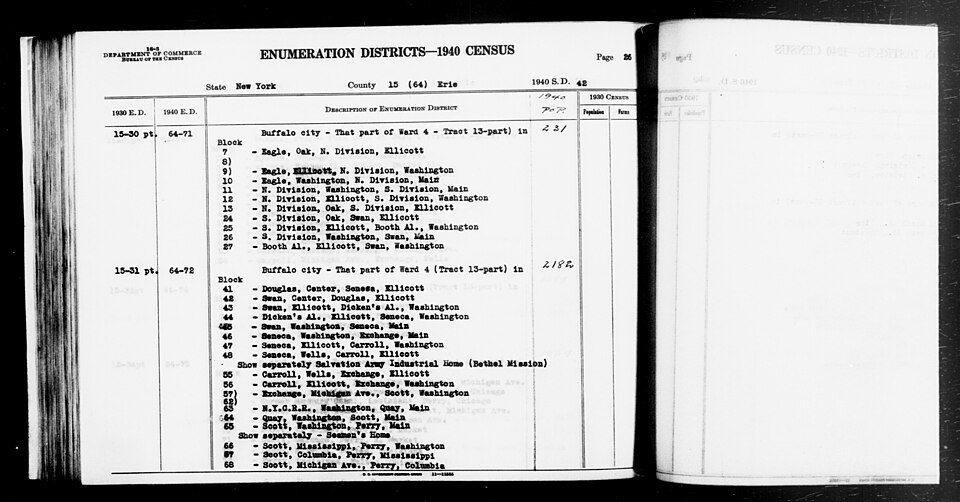
Follow Migration Clues to Linked Family Records
Immigration records hold names, hometowns, relationships and timelines that connect to census lists, vital certificates, church registers, military service files, probate documents and land records.
See all genealogy record typesBlog
From the Blog
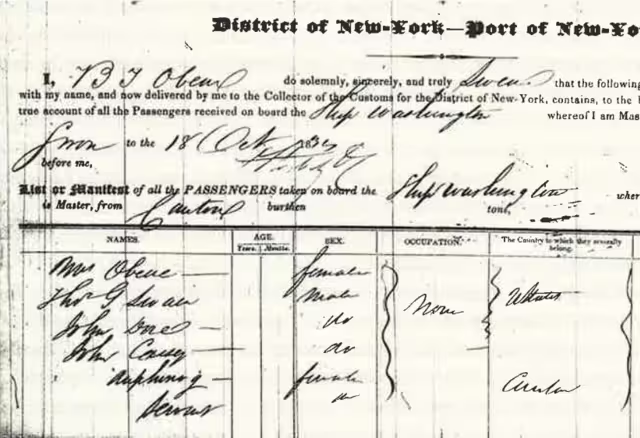
Passenger Lists and Immigration Records: A Transcription Guide
Learn how to transcribe passenger lists and immigration records, including ship passenger lists, immigration arrival records, and naturalization files for genealogy.
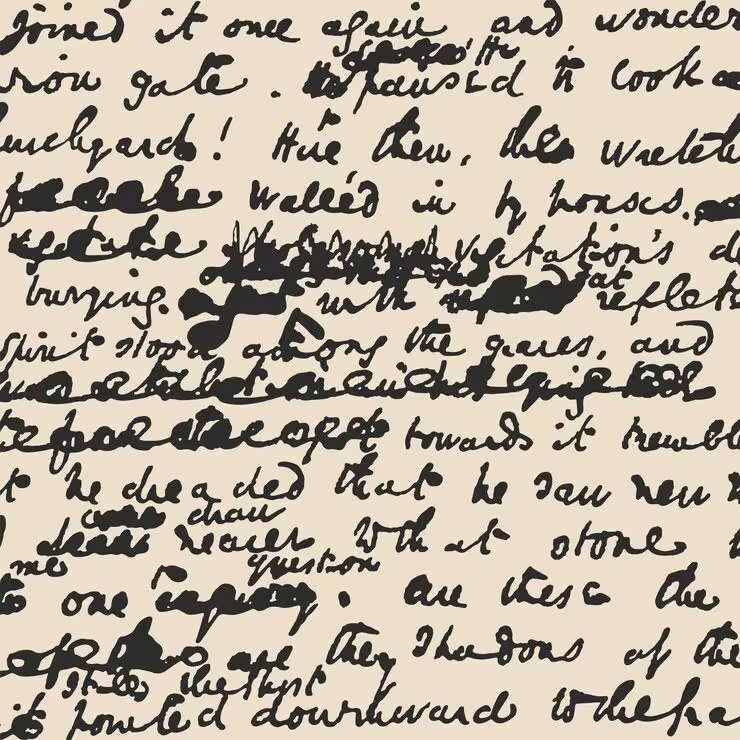
How to Read Bad Handwriting
Bad handwriting can be a frustrating barrier to information. Learn how to convert bad handwriting to editable text with AI.
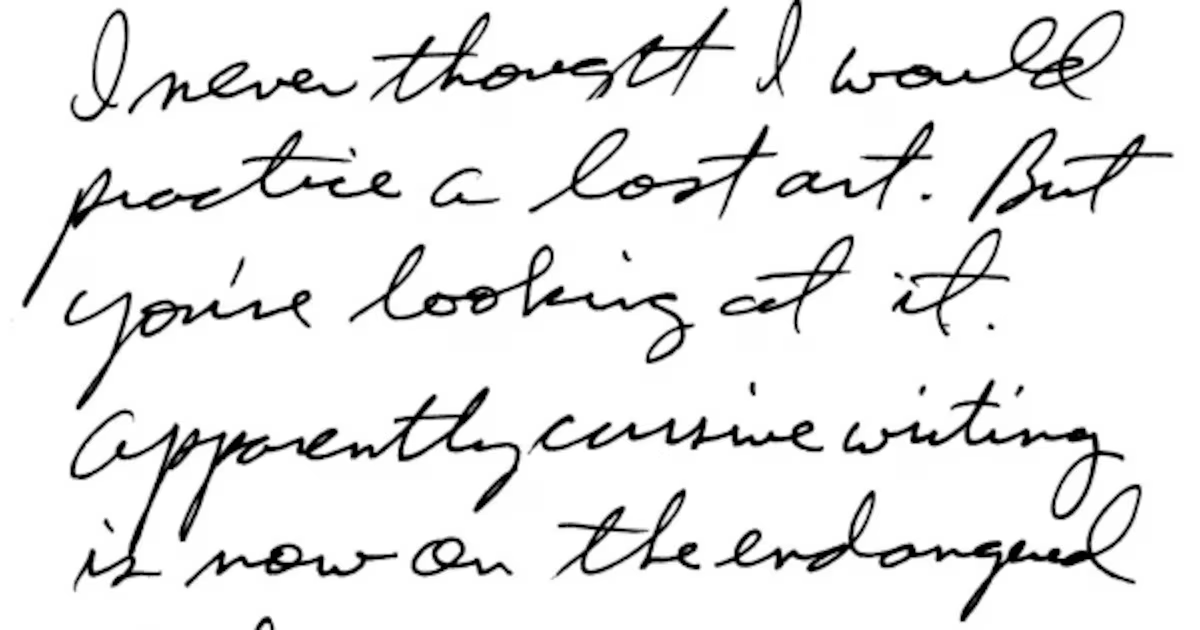
How to Extract Handwritten Text from an Image
Upload a photo or scan and extract handwritten text in seconds. Step-by-step guide plus tips to improve OCR accuracy for messy notes and cursive.
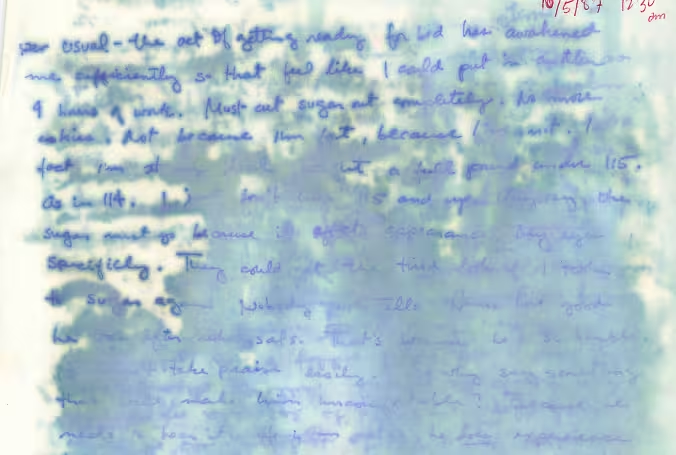
Handwriting OCR on Water-Damaged Documents: A Comparative Study
We compare handwriting OCR results on a real water-damaged handwritten journal excerpt to show how different systems handle faint, blurred, or partially missing text.
Frequently asked questions
Yes, you can submit photos, scans, or PDFs of ship manifests, passenger lists, arrival records, and related immigration documents. Since these forms often have tightly packed rows and columns, we recommend cross-checking names and places against the original image after transcription.
Absolutely. The AI is trained to read the varied handwriting styles on naturalization certificates, declaration papers, and petition records, even when entries are squeezed into small form fields.
It transcribes the original handwritten text as it appears on the record. You can then use the transcribed names to cross-reference with modern maps and genealogical sources to trace your family’s origins.
The AI preserves the core structure of the original document, organizing names, ages, origins, and destinations in the same logical order as the ship manifest or arrival list.
Yes, the model is built to handle the challenges of historic documents, including faded ink, uneven script, cross-outs, and the stylized handwriting common on records from the 19th and early 20th centuries.
We recommend verifying names, foreign place names, dates, and any marginal notes against the original image, as these details are most critical for building accurate family trees.
It works well for migration records from most Western countries, including Canadian border crossing lists, UK passenger arrival records, and European naturalization documents from the last 150 years.
Immigration Records
Unlock Handwritten Clues in Immigration Records
Upload your ship manifest or arrival document to turn faded, handwritten family details into editable, searchable text you can save and share.