
Transcribe Probate Records with AI
Upload a will, estate inventory, probate packet, guardianship paper, or handwritten court note and turn dense legal handwriting into editable text.
Why These Records Are Difficult
Estate Details Hidden in Long Handwritten Documents
Wills and probate records hold heir names property links and family relationships but dense script and legal jargon make them hard to parse
Dense Legal Script
Long paragraphs of formal handwritten text mix legal terms with family details
Crossed Out Amendments
Wills often have handwritten changes codicils and margin notes that muddle entries
Varied Scribe Styles
Different legal clerks across decades use inconsistent cursive and abbreviations
What You Can Unlock
Probate Details to Map Family Connections and Estates
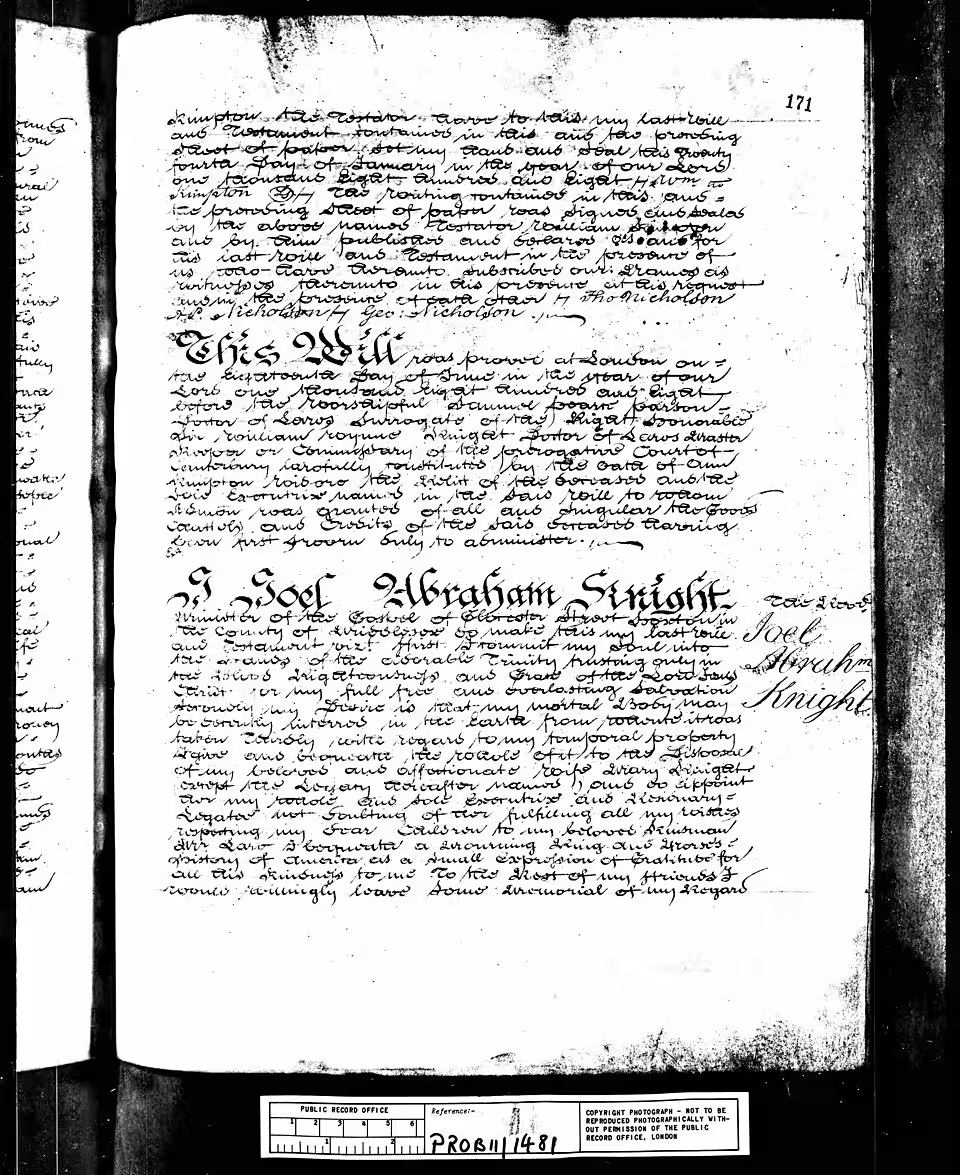
Read heirs, witnesses, and bequests
Convert handwritten wills into editable text so names, relationships, gifts, witnesses, places, and dates are easier to review.
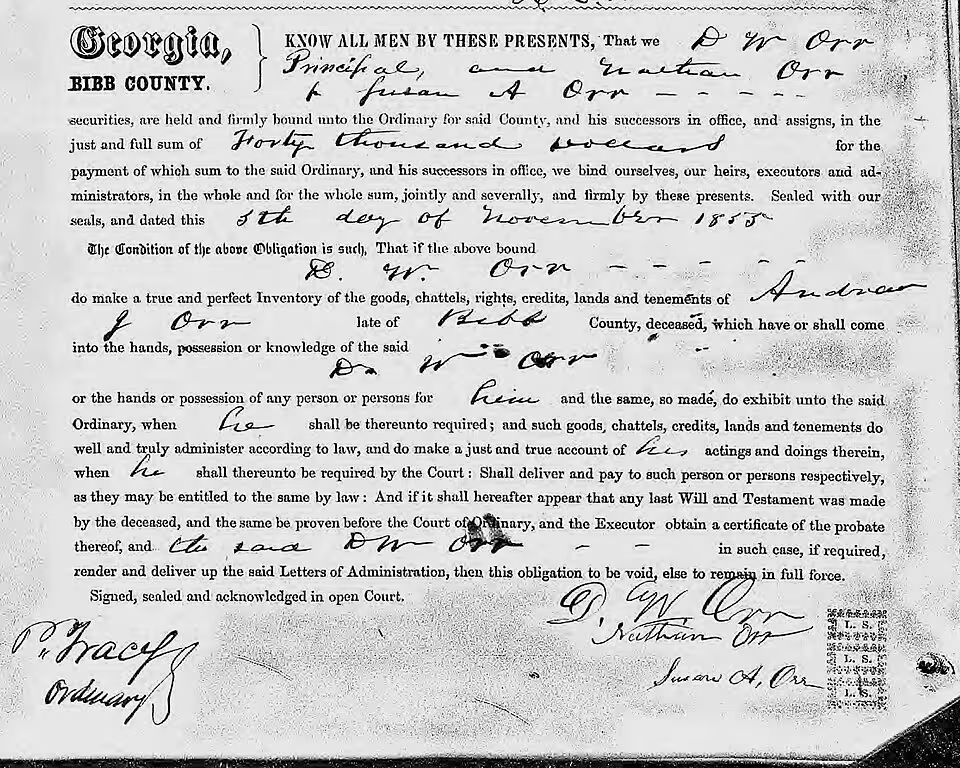
Capture property lists and values
Work with inventories, appraisals, sale bills, and account pages where property descriptions, values, debts, and names may appear together.
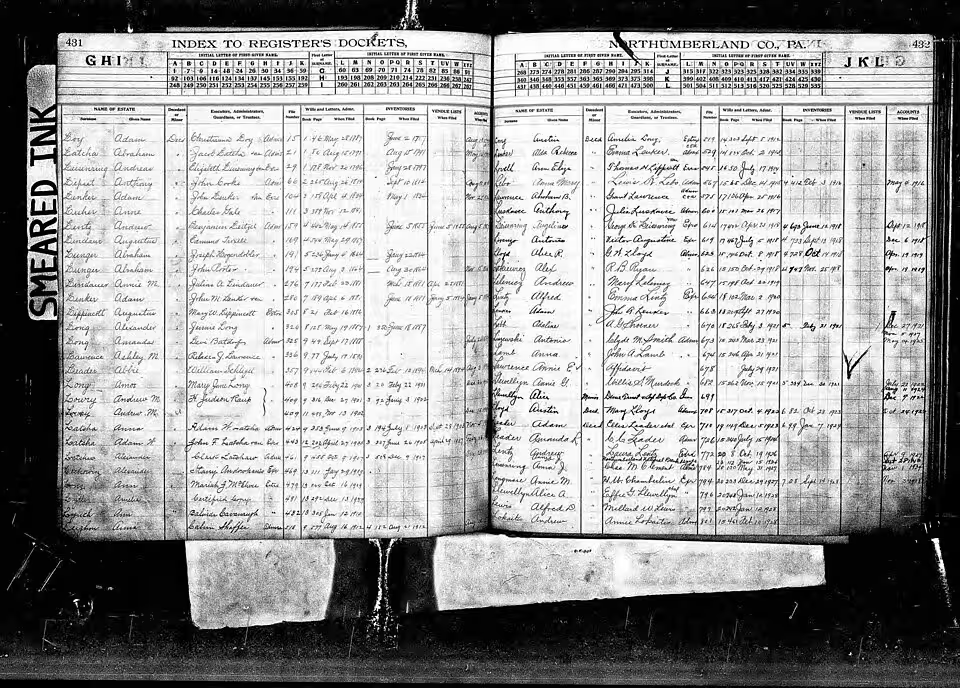
Keep estate pages organized
Turn guardianship papers, court notes, affidavits, and estate correspondence into text you can keep with your research log.
How it works
Transcribe Wills and Probate Records in 3 Simple Steps
Upload your estate file photo or PDF and let AI decode the script then grab the text for your research
Try it now01
Upload the record
Add a will, estate inventory, probate packet page, guardianship paper, court note, or related document as a photo, scan, or PDF.
02
Let AI read the handwriting
The AI handwriting OCR analyzes the page and converts handwritten names, dates, places, relationships, legal wording, and notes into editable text for review.
03
Review, copy, and save
Check heirs, executors, witnesses, guardians, property descriptions, dates, and places against the original image before saving the text.
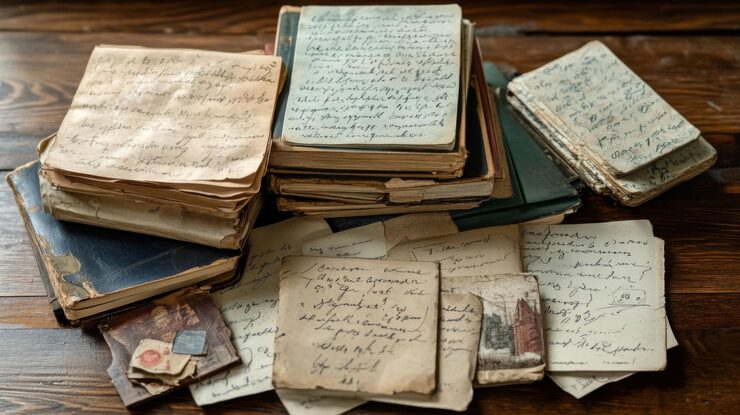
Follow estate clues into other records
Estate files often name spouses, children, witnesses, guardians, neighbors, property, and debts. Those clues can lead to church books, census pages, vital records, military files, land deeds, and immigration documents.
See all genealogy record typesBlog
From the Blog
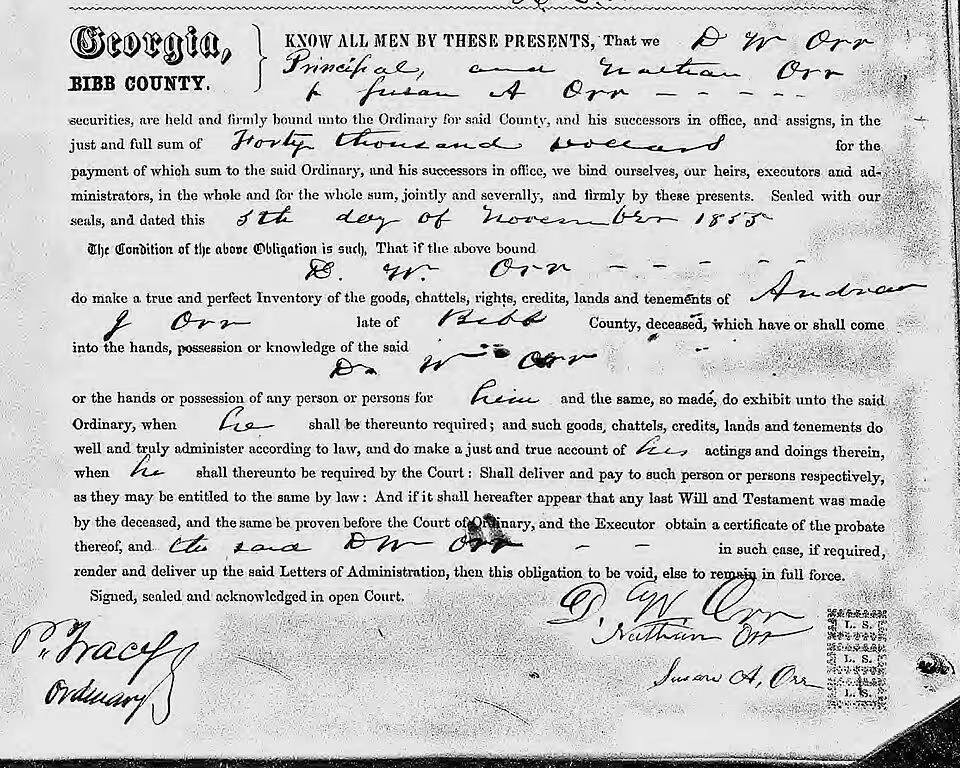
Old Wills and Probate Records: A Practical Transcription Guide
Learn how to transcribe old wills and probate records, including estate inventories and codicils, while preserving names, relationships, property, and legal wording.
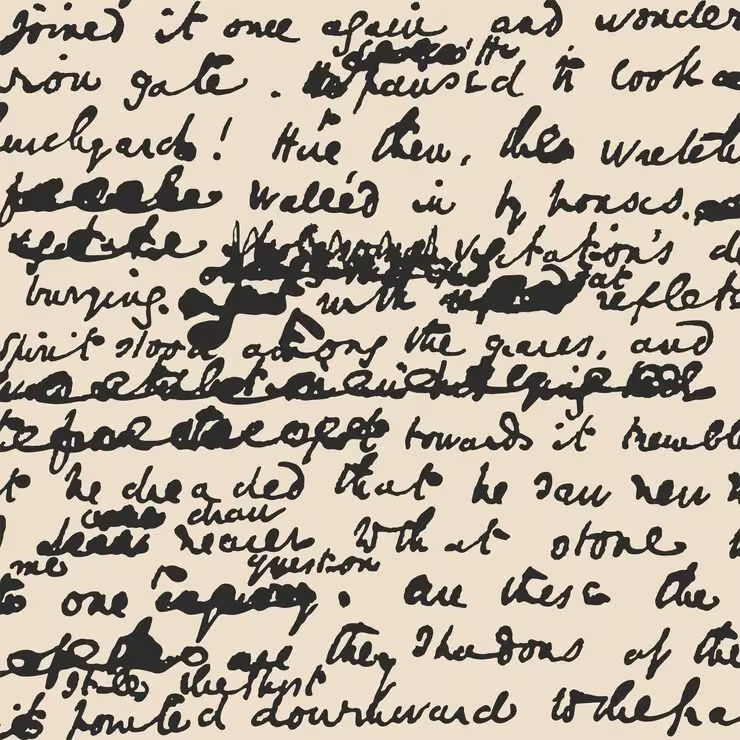
How to Read Bad Handwriting
Bad handwriting can be a frustrating barrier to information. Learn how to convert bad handwriting to editable text with AI.
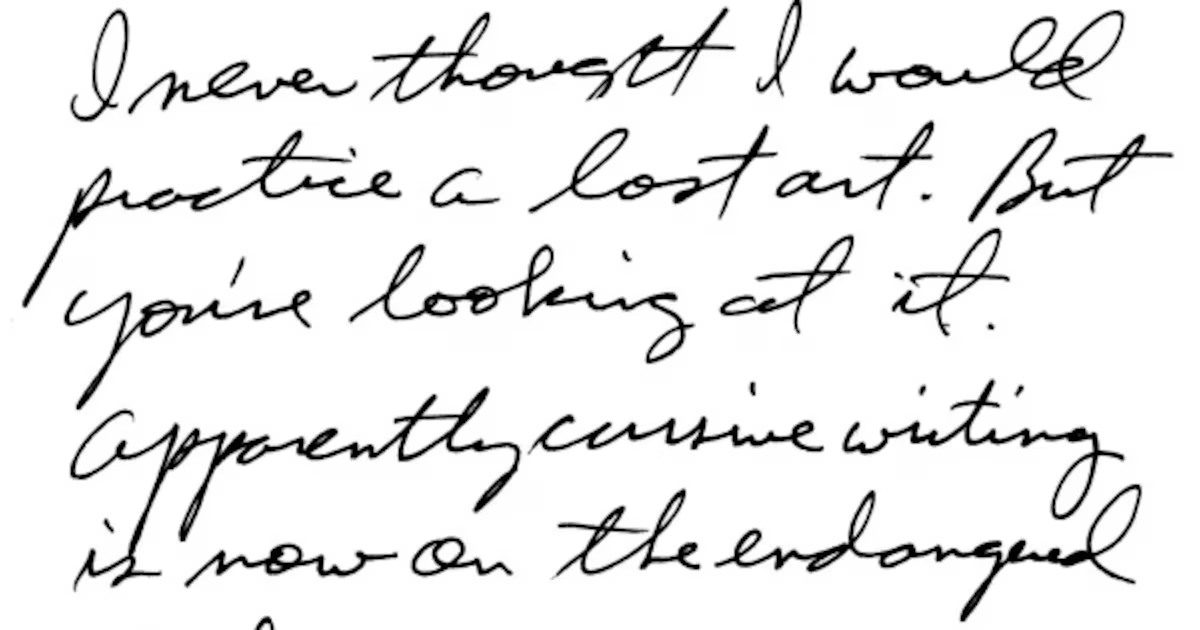
How to Extract Handwritten Text from an Image
Upload a photo or scan and extract handwritten text in seconds. Step-by-step guide plus tips to improve OCR accuracy for messy notes and cursive.
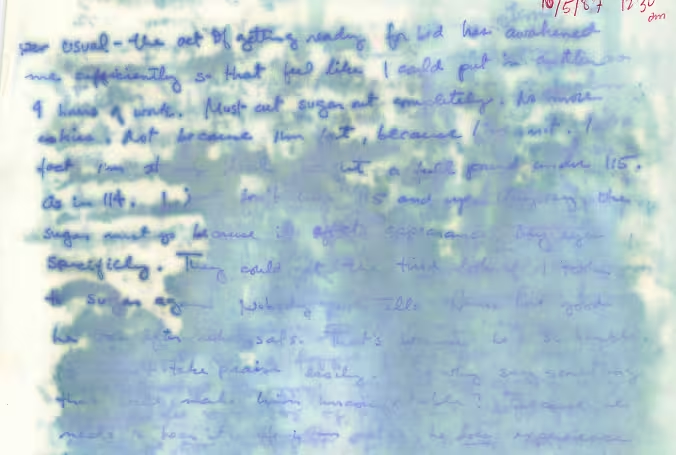
Handwriting OCR on Water-Damaged Documents: A Comparative Study
We compare handwriting OCR results on a real water-damaged handwritten journal excerpt to show how different systems handle faint, blurred, or partially missing text.
Frequently asked questions
Absolutely—snap a photo or upload existing scans or PDFs. No special equipment needed.
Yes, it's built for exactly these core probate record types and estate documents.
Our AI is trained to handle formal legal script, cross-outs, and margin notes common in old wills.
You can batch process estate files to save hours of manual work.
Our transcription accuracy reaches 98% for clear, legible records, so you can trust the details.
You can copy the text directly or download it as TXT, CSV, or Excel for your family tree.
It can transcribe common legal shorthand found in historic wills and probate documents.
Wills & Probate
Transcribe wills and probate into text
Upload a will scan or photo and decode dense legal handwriting to map family connections