
Transcribe Land Deeds with AI
Upload antique property records, deed book pages, land grants or county land documents, and turn challenging handwriting into editable text for your family history journey.
Why land records are difficult
Old Property Records Hide Family Clues in Complex Text
Property records can reveal where your ancestors lived, who they bought land from and who lived nearby, but older county books use dense legal language, tight boundary descriptions and difficult clerk handwriting that slow down research.
Legal Phrases Stretch On
Property transfers are often full handwritten paragraphs with repeated legal terms, dates, names, payments and long, detailed descriptions of the land itself.
One Page Holds Many Names
Buyers, sellers, witnesses, heirs, clerks, adjoining landowners and neighbors can all be listed on a single crowded deed page.
Boundaries Are Easy to Miss
Landmarks, roads, creeks, neighboring property names and metes-and-bounds descriptions are often packed into small sections of difficult-to-read script.
Crafted for Family History Research
Turn Handwritten Deeds into Actionable Family Clues
Trace buyers, sellers, and witnesses
Convert handwritten deed book pages into editable text, so you can easily cross-reference names, dates, locations and property transfers alongside the original document.
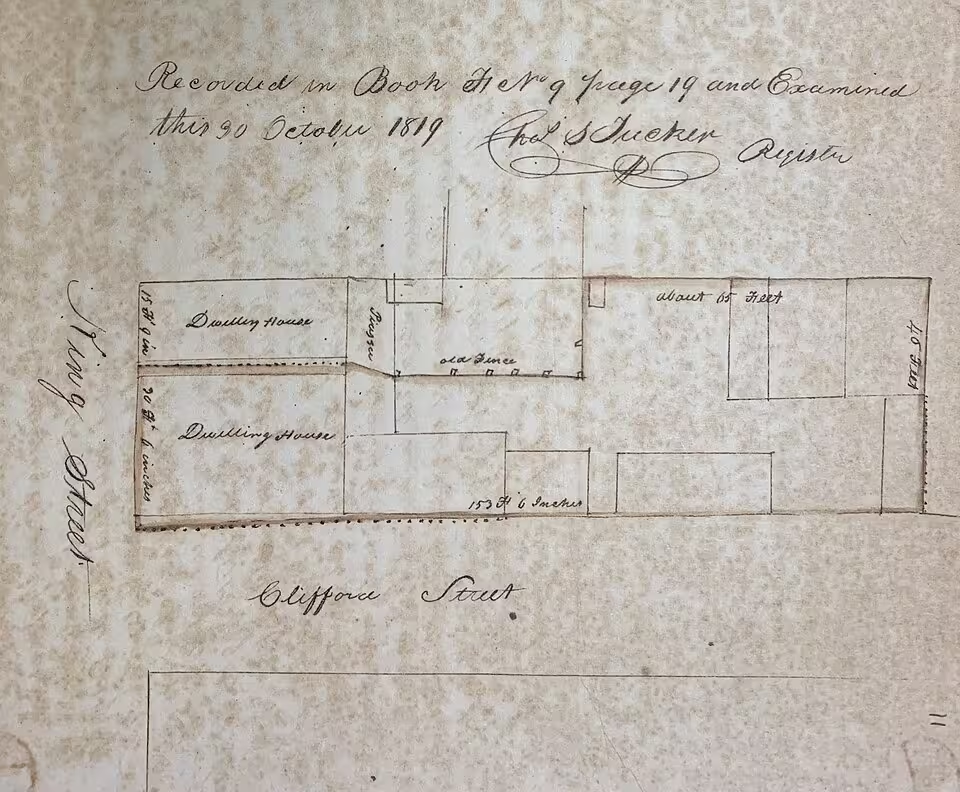
Preserve Historic Land Grant Details
Transcribe handwritten grants, patents and county property records to keep critical legal descriptions and ownership clues organized and accessible for your research.
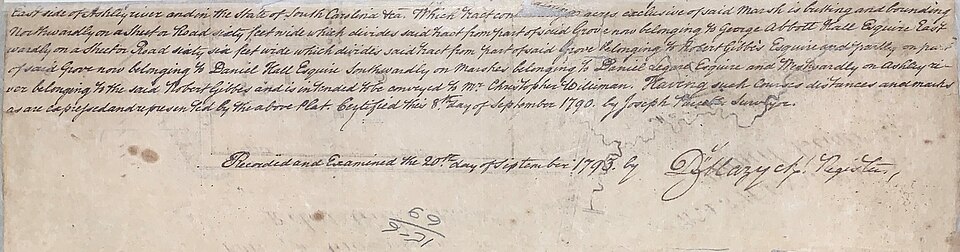
Map Neighbors and Local Landmarks
Convert handwritten boundary descriptions into searchable text, so you can easily spot adjoining property owners, local place names, roads, waterways and other key location clues.
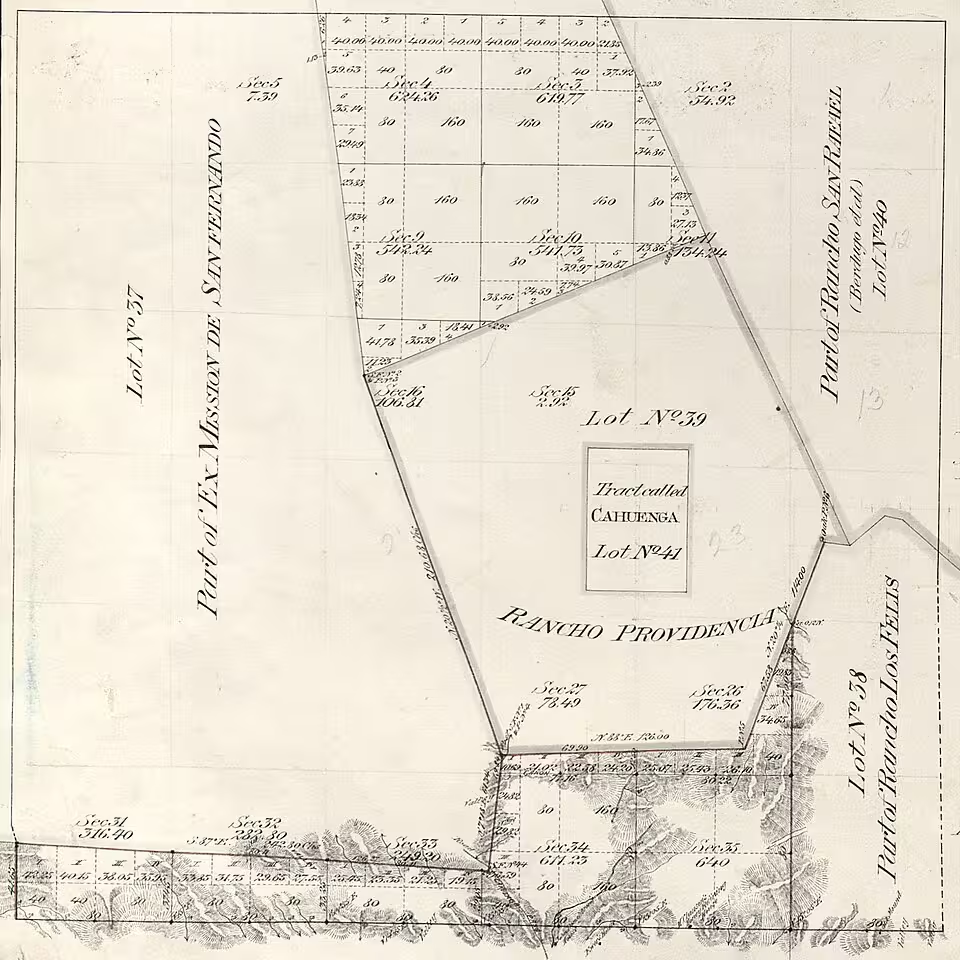
How it works
Transcribe Property Records in 3 Simple Steps
Upload a photo, scan or PDF of your deed, land grant or boundary note, review the Al transcription side by side with the original, then save or copy the text for your family history files.
Try it now01
Upload your document
Add any handwritten property record, from deed book pages to land grants, as a photo, scan or PDF file
02
Let AI read the script
Our AI analyzes the page and turns faded, cursive legal handwriting into clear, editable text
03
Review, copy, and save
Cross-check names, dates and property details against the original image, then copy or download the text to keep your research organized.
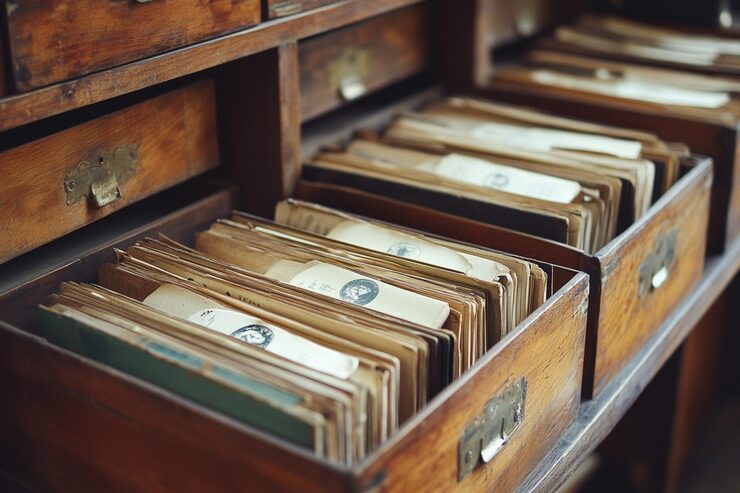
Trace Property Clues to Connected Family Records
Property records name buyers, sellers, witnesses, heirs, neighbors and local landmarks that unlock paths to probate files, census lists, church registers, military documents and immigration records.
See all genealogy record typesBlog
From the Blog

Translate Cursive to Print
Can't read cursive handwriting? Convert cursive letters, old documents, and connected handwriting into clean, readable typed text in seconds.
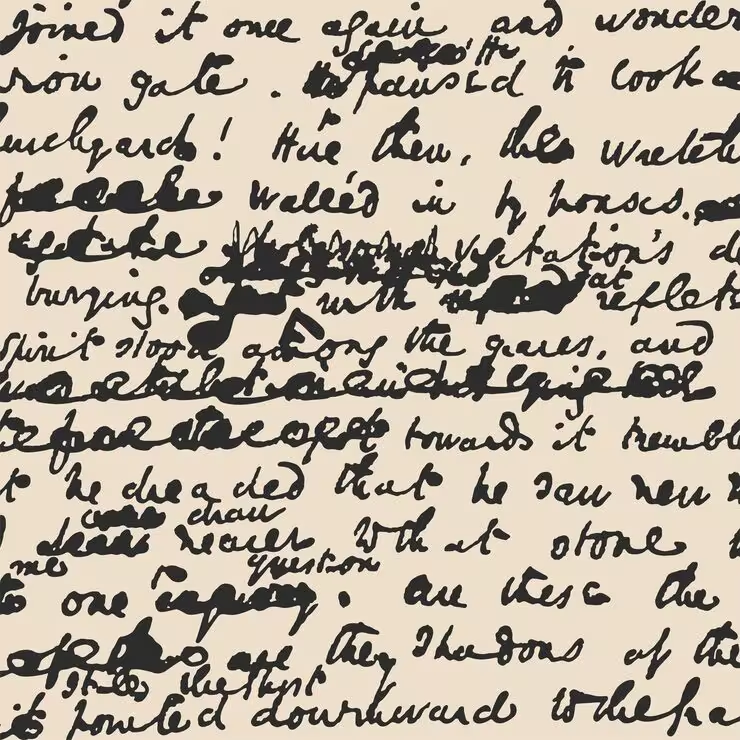
How to Read Bad Handwriting
Bad handwriting can be a frustrating barrier to information. Learn how to convert bad handwriting to editable text with AI.
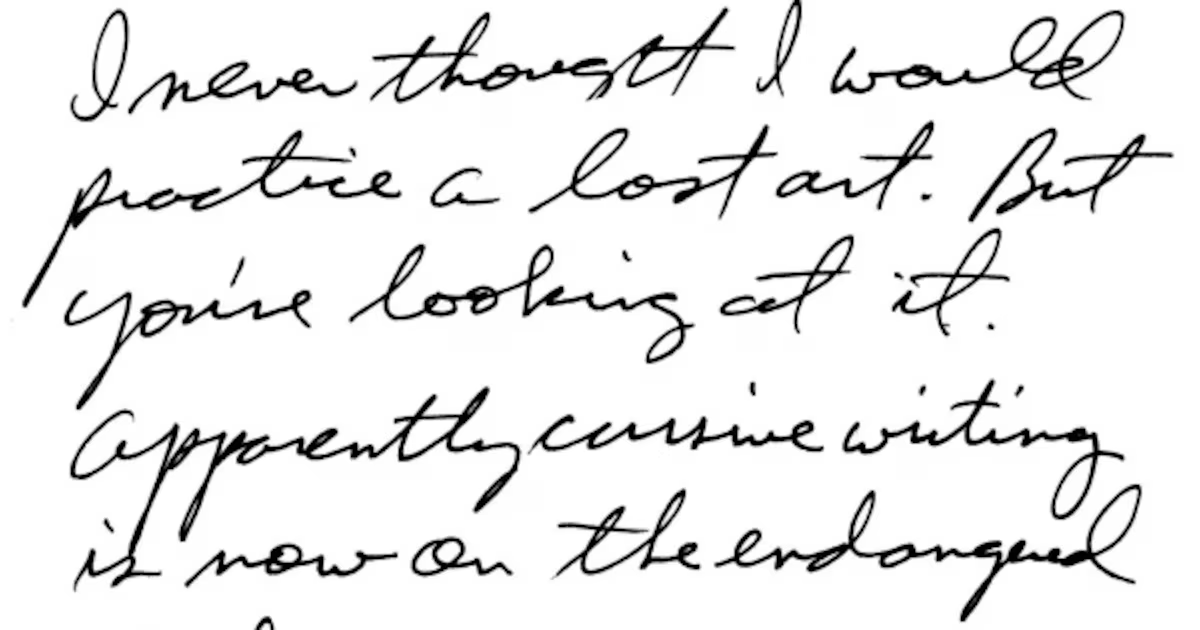
How to Extract Handwritten Text from an Image
Upload a photo or scan and extract handwritten text in seconds. Step-by-step guide plus tips to improve OCR accuracy for messy notes and cursive.
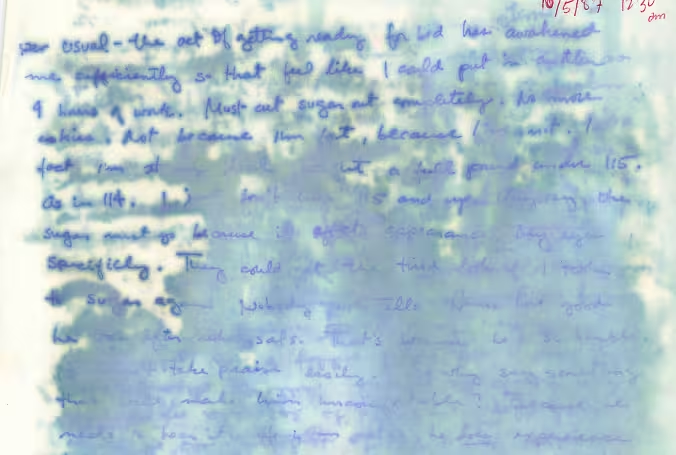
Handwriting OCR on Water-Damaged Documents: A Comparative Study
We compare handwriting OCR results on a real water-damaged handwritten journal excerpt to show how different systems handle faint, blurred, or partially missing text.
Frequently asked questions
Yes, our AI is trained to read the cursive, faded, and often dense handwriting found on 19th and 20th century land deeds, turning them into editable text.
Absolutely, this tool is built to handle aged documents, from bound deed pages to loose, fragile land grants and county property filings.
It transcribes the original handwritten legal text exactly as it appears, preserving names, dates, and property descriptions for you to cross-reference in your research.
Yes, it pulls out the landmarks, neighbor names, and location details from boundary notes, making it easier to trace property lines across decades.
We recommend verifying names, foreign place names, dates, and property measurements against the original document, as these are key for accurate family history research.
No, the tool is designed for genealogical research only and should not be used as a legal document or substitute for professional legal guidance.
It works well for historic property records from most English-speaking countries, including Canadian land grants, UK deed books, and Australian colonial property filings.
Land Deeds
Transcribe land deeds into editable text
Upload a faded deed, bound book page or old land grant, and let the Al turn difficult cursive into text you can review, copy and save for your family history.