
Kurrent Handwriting to Text
Convert Kurrent handwriting from old German letters, church records, registers, diaries, and archive documents into readable digital text. Upload a scan or photo and let AI help you read old German cursive.
About Kurrent
What Is Kurrent Handwriting?
Kurrent is a historical German cursive handwriting style used for centuries across German-speaking regions. It appears in old letters, church books, civil records, legal papers, diaries, and family archives.
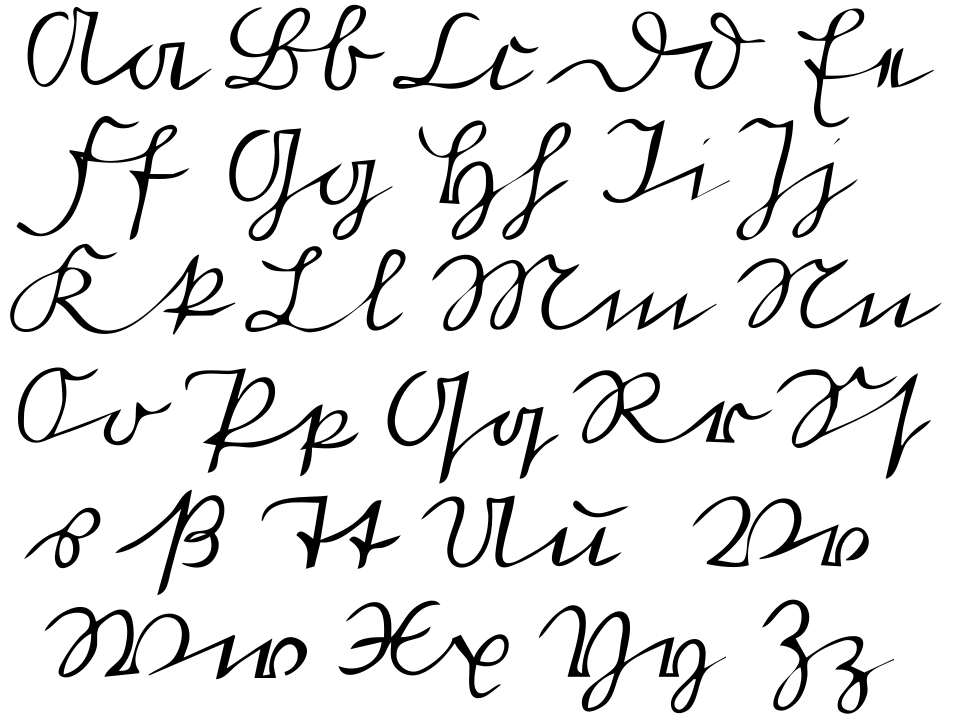
A Traditional German Cursive
Kurrent was widely used before modern German handwriting became common. It is one of the main scripts people encounter when reading older German records and family documents.
Related to Sütterlin
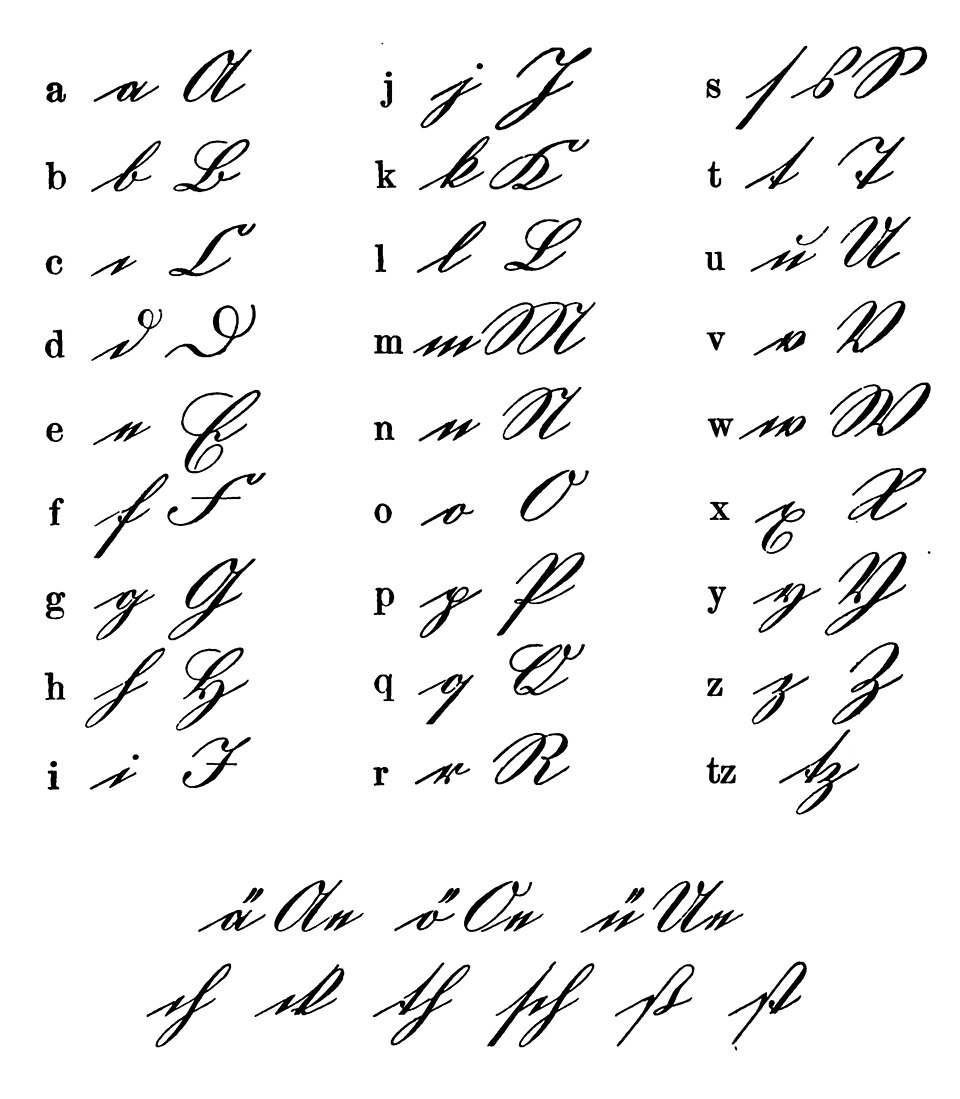
Kurrent and Sütterlin are related old German handwriting styles, but they are not the same. Kurrent is older and more varied, while Sütterlin is a later standardized school script.
Common in Historical Records
Kurrent handwriting is often found in church registers, civil records, land documents, family letters, diaries, military papers, and genealogy archives.
Why It Is Hard to Read
Why Kurrent Handwriting Is Difficult
Kurrent is an old German cursive style with unfamiliar letterforms, connected strokes, historical spelling, and regional variation. Even clear records can be difficult to read without practice.
Historical Letterforms
Kurrent letters often look very different from modern handwriting. Some characters have similar shapes, especially in names, places, and tightly written words.
Dense Cursive Connections
Words in Kurrent are usually written with flowing, connected strokes. This makes it hard to separate letters, recognize abbreviations, and identify where one word ends.
Regional and Writer Variation
Kurrent was used across German-speaking regions for centuries. Letter shapes, spacing, abbreviations, and personal writing habits can vary widely from one document to another.
Features
Built for Kurrent Handwriting Recognition
Recognize Kurrent Handwriting
Convert Kurrent script into editable text. The tool helps read old German cursive from church records, family letters, registers, diaries, and archive scans.
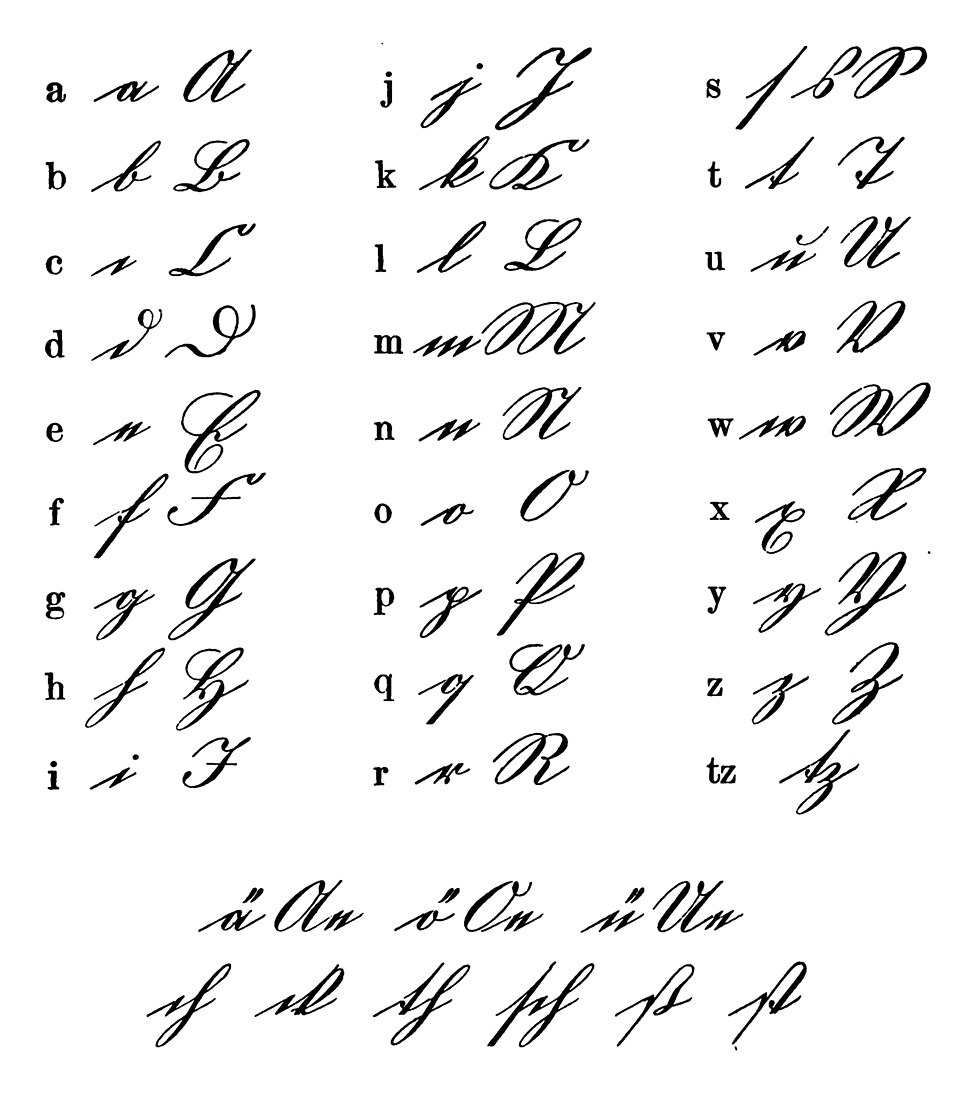
Handle Old Records and Faded Pages
Work with scanned registers, yellowed paper, faded ink, uneven handwriting, shadows, and photographed documents. Clearer images improve accuracy, but the tool is built for real historical pages.
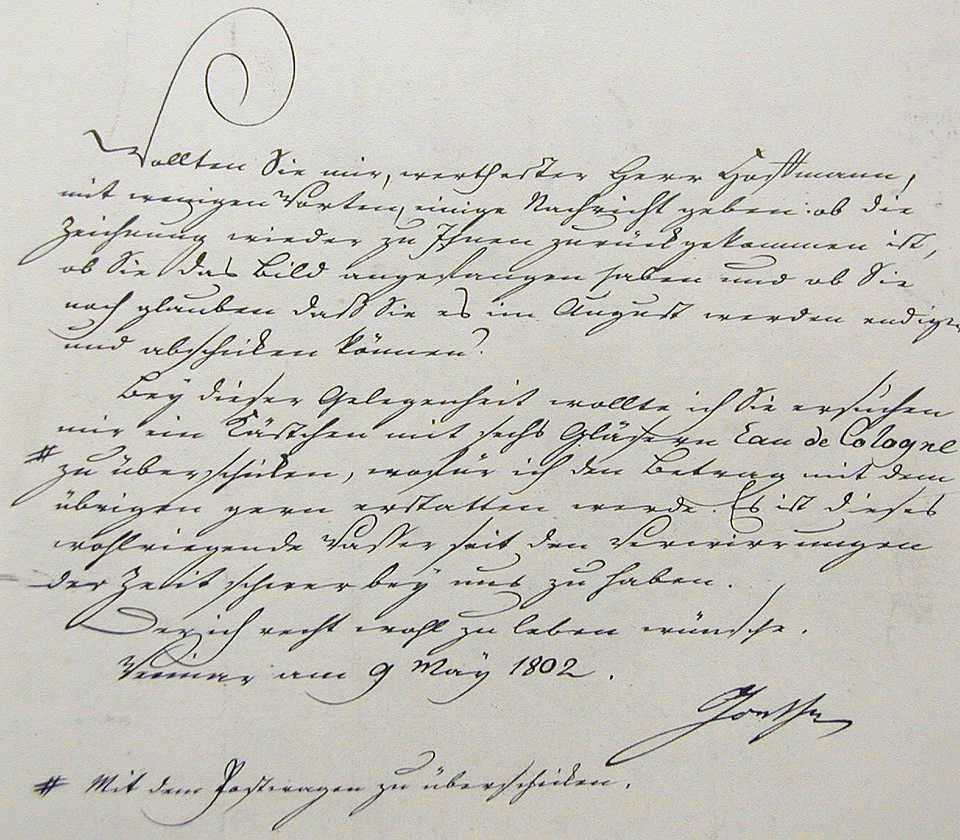
Review, Copy, and Export Text
Turn Kurrent handwriting into editable text you can review, correct, copy, translate, download, or save in your genealogy notes and historical research.
How it works
Convert Kurrent handwriting in three simple steps
Upload a Kurrent document, let AI read the old German cursive, then review and export the text for genealogy, translation, or historical research.
Try it for free01
Upload
Add a photo, scan, or PDF of a Kurrent letter, church record, civil register, diary page, legal document, or family archive.
02
Read the handwriting
AI analyzes the page and converts Kurrent handwriting into editable digital text.
03
Review and export
Copy the result, correct names or dates, then download the text for genealogy research, translation, or personal archives.
Use Cases
Kurrent Documents You Can Convert
Turn old German cursive records and family documents into text you can search, edit, translate, and preserve.

Church and Civil Registers
Convert handwritten baptism, marriage, burial, birth, and civil registration records written in Kurrent into searchable text.

Family Letters and Diaries
Read old German family letters, personal diaries, journals, and handwritten notes written in Kurrent so you can preserve stories from previous generations.
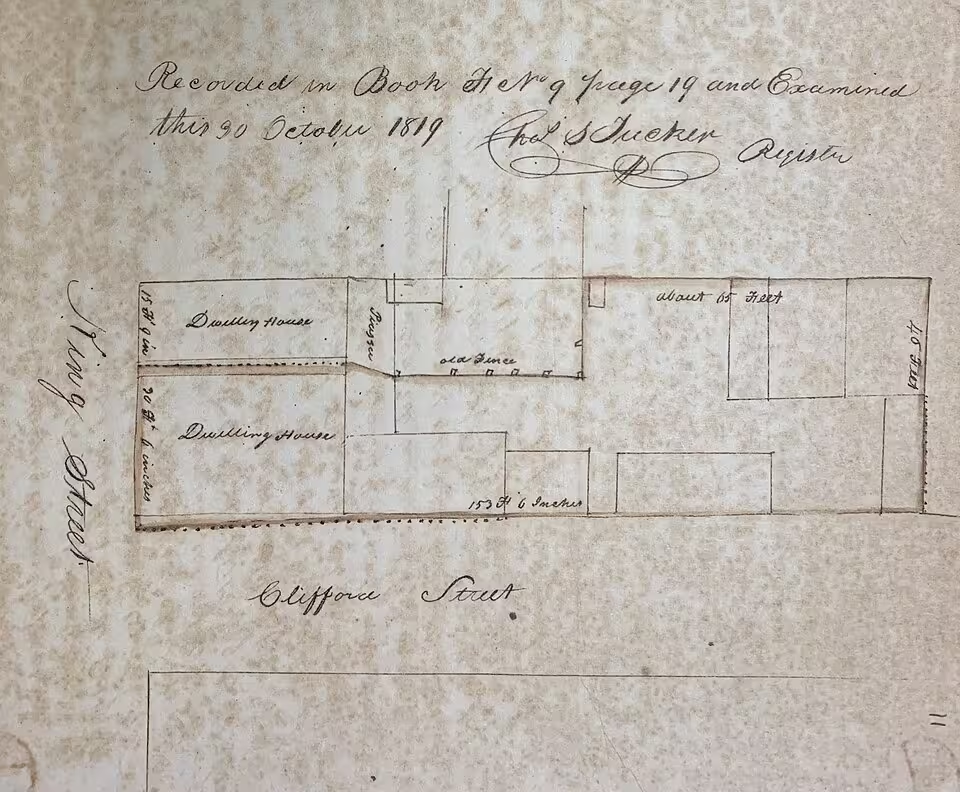
Legal and Archive Documents
Extract names, dates, places, and important details from Kurrent land records, military papers, estate files, certificates, and archive documents.
Explore More
Related Old Handwriting Tools
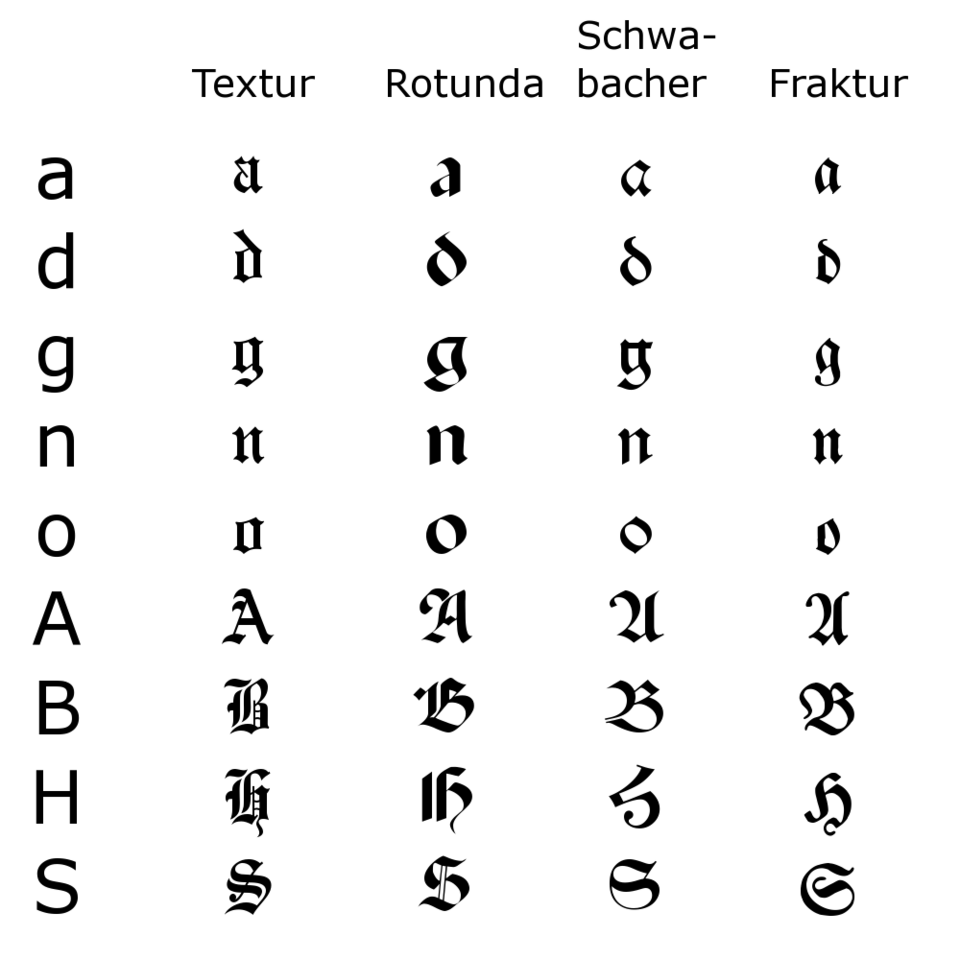
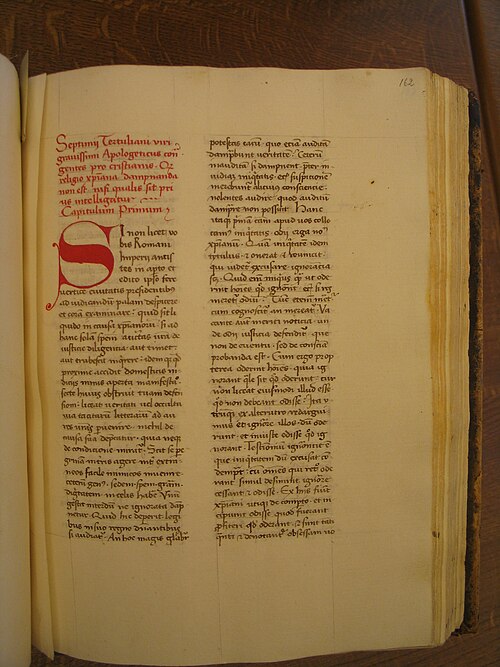
Use specialized tools for old German handwriting, Sütterlin script, printed blackletter text, and other historical documents.

Blog
From the Blog
Sütterlin vs Kurrent: What's the Difference?
Learn the difference between Sütterlin and Kurrent handwriting, how to identify old German scripts, and which OCR tool to use for transcription.
How to Read Old German Handwriting
Learn how to read old German handwriting, including Kurrent, Sütterlin, and Fraktur documents, with AI OCR tools for genealogy and historical research.
How to Decipher Old Handwriting
Learn how to decipher old handwriting in letters, diaries, genealogy records, and historical documents with practical tips and AI OCR tools.
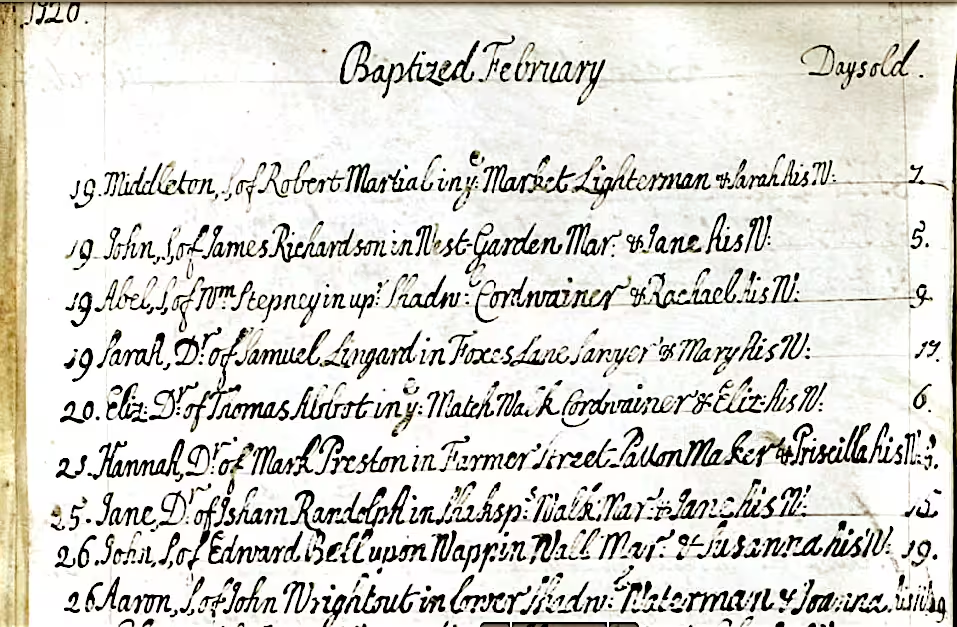
How to Transcribe Old Church Records
Learn how to transcribe old church records, including baptism, marriage, burial, and parish registers, with practical genealogy tips and AI OCR.
Frequently asked questions
Kurrent is a historical German cursive handwriting style used for centuries across German-speaking regions. It appears in old letters, church records, civil registers, diaries, legal documents, and family archives.
Yes. The tool can help convert Kurrent handwriting from scans, photos, and PDFs into editable text. Clear images usually produce better results.
No. Kurrent and Sütterlin are related old German handwriting styles, but they are not the same. Kurrent is older and more varied, while Sütterlin is a later standardized school handwriting style.
Kurrent is common in old German church registers, civil records, land documents, legal papers, family letters, diaries, military records, and genealogy archives.
This tool is designed to convert Kurrent handwriting into readable digital text. If you need English output, you can copy the transcription and translate it after the handwriting has been recognized.
You can upload photos, scans, PDFs, and common image formats of Kurrent handwriting, including letters, registers, diary pages, legal papers, and family documents.
Use a clear scan or photo, keep the page flat, avoid shadows, crop out unrelated borders, and upload the highest-resolution image you have. Faded ink, old spelling, abbreviations, and unusual handwriting may still require manual review.
Kurrent Handwriting
Convert Kurrent handwriting into text
Upload a Kurrent letter, register, diary page, legal paper, or family document and turn old German cursive into editable text.